Your mouth is home to hundreds of bacterial species — and the balance between them has a direct impact on your teeth, gums, breath, and even your all in all wellbeing. Oral microbiome health is no longer a fringe topic discussed only in research labs. As of 2026, it sits at the center of modern preventive dentistry, and understanding it could change the way you think about your what you do each day. Whether you brush twice a day or have struggled with persistent gum issues, you'll want to pay attention to what science is now revealing about the living ecosystem inside your mouth.
✅ Key Takeaways
- The oral microbiome is a complex community of bacteria that directly influences gum health, tooth strength, breath quality, and how your immune system works.
- Disrupting this microbial balance — through diet, antibiotics, or harsh mouthwashes — can allow harmful bacteria to dominate and trigger inflammation.
- Restoring oral microbiome balance involves dietary changes, targeted probiotic supplementation, and consistent oral hygiene habits.
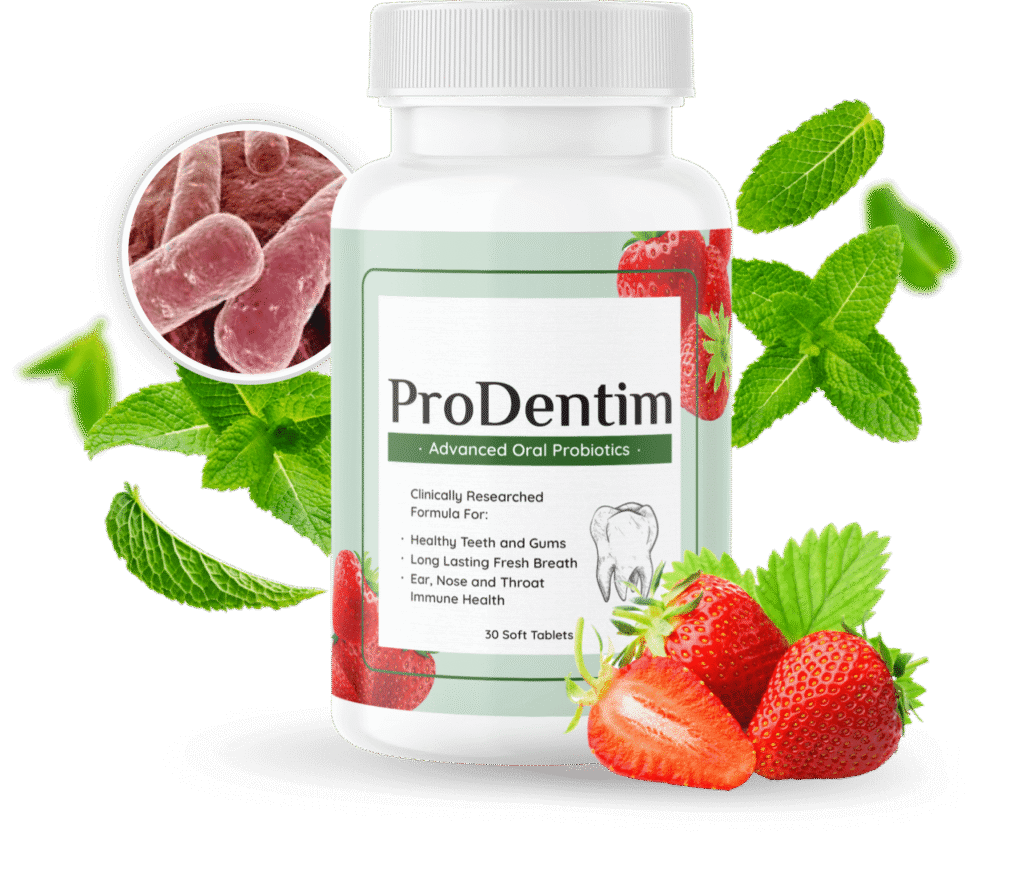
- ProDentim is a doctor-formulated probiotic supplement containing 3.5 billion probiotic strains namely chosen to support a healthy oral environment.
- Research suggests that specific probiotic strains like Lactobacillus Reuteri and B. lactis BL-04® may help reduce harmful oral bacteria and support gum tissue health.
What Is the Oral Microbiome?
The oral microbiome is the collective community of microorganisms — bacteria, fungi, viruses, and archaea — that live in your mouth, including on your teeth, gums, tongue, and cheeks. According to the Human Oral Microbiome Database (HOMD, 2024), the human mouth harbors over 700 distinct microbial species, making it one of the most diverse microbial environments in the entire body.
This ecosystem plays a foundational role in digestion, immunity, and oral tissue integrity.
Think of your mouth as a miniature rainforest. When the ecosystem is thriving and balanced, everything works in harmony — beneficial bacteria crowd out harmful pathogens, gum tissue stays firm and pink, and your breath stays fresh. But when that balance tips, even slightly, the consequences can ripple outward in ways most people never connect back to their mouth.
Definition: What is the oral microbiome? The oral microbiome refers to the full community of microorganisms residing in the mouth. It includes both beneficial and potentially harmful species, and its balance is considered a key indicator of oral and systemic health.
You might be surprised to learn that not all oral bacteria are bad. In fact, many are critical. Beneficial strains help neutralize acids that erode enamel, produce compounds that fight pathogens, and regulate the inflammatory response in gum tissue. The problem arises when harmful species — like Streptococcus mutans or Porphyromonas gingivalis — gain the upper hand.
According to the Centers for Disease Control and Prevention (CDC, 2023), nearly half of adults aged 30 and older in the United States show signs of gum disease, a condition strongly associated with microbial imbalance in the mouth. That statistic alone highlights why understanding your oral ecosystem matters more than ever.
The bottom line: Your oral microbiome isn't just background biology — it's an active, dynamic system that either protects or undermines your dental and on the whole health every single day.
What Causes Oral Microbiome Imbalance?
Oral microbiome imbalance, sometimes called oral dysbiosis, occurs when harmful bacterial species outgrow beneficial ones, disrupting the mouth's natural defenses. According to a review published in the Journal of Oral Microbiology (2023), dysbiosis has been linked to conditions including periodontitis, dental caries, halitosis, and even systemic inflammatory conditions. Several everyday habits and exposures can trigger this shift.
Here are some of the most common disruptors you should be aware of:
- Antibiotics: While necessary for treating infections, broad-spectrum antibiotics can wipe out beneficial oral bacteria alongside harmful ones, leaving the mouth vulnerable to recolonization by less desirable species. Research suggests this effect can persist for weeks or months after a course of antibiotics ends.
- Alcohol-based mouthwashes: Some evidence indicates that frequent use of alcohol-containing rinses may reduce taken together microbial diversity in the mouth, potentially disrupting the balance between beneficial and harmful strains.
- High-sugar diets: Fermentable sugars feed acid-producing bacteria like Streptococcus mutans, which lower oral pH and create an environment where harmful species thrive and enamel erodes.
- Chronic stress: Stress hormones can alter saliva composition and reduce salivary flow, which is one of the mouth's primary natural defenses against microbial overgrowth.
- Smoking and tobacco use: According to the World Health Organization (WHO, 2023), tobacco use significantly alters the oral microbial environment and is a major risk factor for periodontal disease.
- Poor sleep: Emerging research suggests that disrupted sleep patterns may affect immune regulation in oral tissues, indirectly influencing microbial balance.
Understanding what disrupts your oral ecosystem is the first step toward protecting it. But knowing the cause is only half the equation — the other half is knowing what you can actually do about it.
In short: Everyday habits — from the mouthwash you use to the foods you eat — can quietly tip your oral microbiome toward imbalance, setting the stage for gum problems, cavities, and bad breath.
How Does Oral Microbiome Balance Affect Your Broadly Health?
Oral microbiome balance isn't confined to the mouth — it has measurable connections to systemic health outcomes throughout the body. According to research compiled by the National Institutes of Health (NIH, 2024), the oral cavity is basically a gateway through which oral bacteria can enter the bloodstream and potentially influence conditions including cardiovascular disease, diabetes management, and respiratory health.
The mouth-body connection is increasingly recognized as a critical frontier in preventive medicine.
This connection works in several directions. When harmful bacteria dominate the oral environment, they can trigger chronic low-grade inflammation in gum tissue. That inflammation doesn't always stay local. Some research suggests that inflammatory signals and bacterial byproducts can travel systemically, potentially contributing to broader inflammatory processes in the body.
Definition: What is oral dysbiosis? Oral dysbiosis is a state of microbial imbalance in the mouth where harmful bacterial species outnumber or outcompete beneficial ones, often leading to gum inflammation, tooth decay, and bad breath.
Conversely, a well-balanced oral microbiome may support more than just dental health. Some evidence indicates that beneficial oral bacteria play a role in nitric oxide production — a compound important for cardiovascular function.
Others appear to interact with the immune system in ways that support respiratory tract health and even digestion, since the mouth is the first stop in the digestive process.
As of 2026, researchers are actively investigating the oral-gut microbiome axis — the idea that the microbial communities in your mouth and gut communicate and influence each other. While this research is still developing, it adds another compelling reason to take your oral ecosystem seriously.
How to Improve Oral Microbiome Health: A Practical Approach
Improving oral microbiome health involves a combination of dietary adjustments, lifestyle changes, and targeted supplementation to restore and maintain a diverse, balanced microbial community in the mouth. According to a 2023 systematic review in the journal Nutrients, probiotic supplementation — in particular with Lactobacillus and Bifidobacterium strains — showed promising results in reducing harmful oral bacteria and supporting gum tissue health in multiple clinical studies.
Dietary Changes That Support a Healthy Oral Ecosystem
What you eat feeds not just you, but the trillions of microorganisms living in your mouth. Reducing refined sugars and processed carbohydrates is one of the most impactful steps you can take. These foods fuel acid-producing bacteria that erode enamel and crowd out beneficial species.
That said,, fiber-rich foods — vegetables, legumes, and whole grains — act as prebiotics, feeding beneficial bacteria and encouraging their growth. Fermented foods like plain yogurt, kefir, and certain cheeses introduce beneficial bacterial strains directly into the oral environment. Staying well-hydrated also supports healthy salivary flow, which is one of the mouth's primary natural defenses.
Oral Hygiene Habits That Protect Microbial Diversity
Not all oral hygiene practices are created equal for microbial balance. Here is a practical numbered approach to protecting your oral ecosystem:
- Choose alcohol-free mouthwash: If you use a rinse, opt for one without alcohol to avoid broad disruption of your oral microbial community.
- Brush gently with a soft-bristle brush: Aggressive brushing can damage gum tissue and disrupt the protective biofilm that beneficial bacteria form on tooth surfaces.
- Floss daily: Interdental cleaning removes food debris that feeds harmful bacteria in areas your toothbrush can't reach.
- Scrape your tongue: The tongue harbors a clear portion of the mouth's bacterial load. Gentle daily scraping can reduce the concentration of odor-causing and potentially harmful species.
- Schedule regular dental cleanings: Professional cleanings remove calcified bacterial deposits (tartar) that no amount of home care can address, giving beneficial bacteria a cleaner surface to colonize.
Probiotic Supplementation for Oral Health
One of the most targeted approaches to supporting oral microbiome balance is probiotic supplementation. Unlike gut-focused probiotics that are swallowed quickly, oral probiotics are designed to dissolve slowly in the mouth, allowing beneficial strains to colonize oral surfaces directly. Research suggests that specific strains — including Lactobacillus Reuteri and Lactobacillus Paracasei — may help reduce the presence of harmful oral pathogens and support gum tissue health when used consistently.
Definition: What is an oral probiotic? An oral probiotic is a supplement containing live beneficial bacteria to be exact formulated to dissolve in the mouth, allowing direct colonization of oral surfaces rather than passing through the digestive tract.
This is where ProDentim enters the picture. Rather than a pill you swallow, ProDentim is a soft, chewable probiotic candy — a format more precisely designed to maximize contact time between beneficial bacterial strains and your oral tissues.
Each tablet has a mild, pleasant flavor with a subtle peppermint finish, and it dissolves gradually as you chew, releasing its active ingredients directly where they're needed most.
What Is ProDentim and How Does It Support Oral Microbiome Health?
ProDentim is a doctor-formulated probiotic supplement designed in particular to support dental and gum health by repopulating the mouth with beneficial bacteria. According to the product's formulation documentation, each serving delivers 3.5 billion probiotic colony-forming units (CFUs) alongside a blend of clinically studied nutrients, making it one of the more concentrated oral probiotic formulas available as of 2026.
The product comes in a soft, chewable tablet format — not a hard capsule or a liquid rinse. One texture is slightly firm at first bite, then softens quickly as it dissolves.
The flavor profile is mild and pleasant, with a clean peppermint finish that leaves the mouth feeling fresh without the harsh chemical burn of alcohol-based products. The packaging is compact and travel-friendly, making it easy to incorporate into a morning routine.
But does the format actually matter for effectiveness? It does. Oral probiotics need time in the mouth to colonize surfaces. A chewable tablet that dissolves slowly over several minutes provides significantly more contact time than a capsule swallowed with water, which bypasses the oral environment almost entirely.
ProDentim Ingredients: What's Inside and Why It Matters
Understanding what goes into ProDentim helps you evaluate whether it's the right fit for your oral health goals. Here is a breakdown of the key ingredients and their roles:
| Ingredient | Type | Primary Role in Oral Health | Additional Benefits |
|---|---|---|---|
| Lactobacillus Paracasei | Probiotic strain | Supports gum health; may help reduce harmful bacteria colonization | Supports sinus health |
| B. lactis BL-04® | Probiotic strain | Supports microbial balance; studied for respiratory tract health | Immune system support |
| Lactobacillus Reuteri | Probiotic strain | Research suggests it may help reduce gum inflammation and harmful pathogens | Digestive support |
| Inulin | Prebiotic fiber | Feeds and sustains beneficial bacteria in the oral environment | Digestive health |
| Malic Acid (from strawberries) | Natural acid | May support tooth whiteness and surface brightness | Natural flavoring |
| Tricalcium Phosphate | Mineral compound | Supports tooth strength and enamel remineralization | Bone health support |
| Peppermint | Botanical | Natural breath freshening; some evidence of antimicrobial properties | Flavor and palatability |
This ingredient combination is notable because it pairs live probiotic strains with a prebiotic (inulin) to help those strains survive and thrive in the oral environment, alongside mineral and botanical support for tooth and gum tissue. The inclusion of inulin as a prebiotic is a meaningful formulation choice — probiotics without a food source often struggle to establish themselves in a new environment.
Together, these ingredients address oral microbiome health from multiple angles simultaneously.
How ProDentim Compares to Other Oral Health Supplements
| Feature | ProDentim | Typical Gut Probiotic | Standard Whitening Supplement | Basic Mouthwash Tablet |
|---|---|---|---|---|
| Probiotic CFU Count | 3.5 billion | 1–10 billion (gut-targeted) | None | None |
| Oral-Specific Strains | Yes (3 strains) | No | No | No |
| Prebiotic Included | Yes (Inulin) | Sometimes | No | No |
| Enamel/Mineral Support | Yes (Tricalcium Phosphate) | No | Sometimes | No |
| Delivery Format | Chewable tablet (slow-dissolve) | Swallowed capsule | Swallowed capsule | Dissolving tablet |
| Breath Freshening | Yes (Peppermint + probiotics) | No | No | Yes (flavoring only) |
This comparison highlights a meaningful gap in the supplement market. Most oral health products address only one dimension — whitening, freshening, or mineral support — while ProDentim attempts to address the underlying microbial environment alongside surface-level concerns. Whether that multi-pronged approach translates to superior real-world results will depend on individual factors including baseline oral health, diet, and consistency of use.
What Are the Benefits of Supporting Your Oral Microbiome With ProDentim?
Supporting oral microbiome health with a targeted probiotic supplement like ProDentim may offer a range of benefits that extend beyond the mouth itself. According to emerging research in the field of oral-systemic health (NIH, 2024), a balanced oral microbial environment is associated with reduced gum inflammation, improved breath quality, and potential downstream benefits for immune and respiratory function.
Based on its formulation, ProDentim is designed to support the following:
- Gum health and appearance: The probiotic strains in ProDentim — mainly Lactobacillus Reuteri — have been studied for their potential to reduce gum inflammation and support healthy gum tissue. Research suggests consistent use may help gums appear firmer and less prone to bleeding.
- Tooth strength and whiteness: Tricalcium Phosphate provides mineral support for enamel, while Malic Acid from strawberries may contribute to a brighter tooth surface over time.
- Fresh breath naturally: Rather than masking odor with alcohol or artificial fragrance, ProDentim addresses one of the root causes of bad breath — an imbalance of odor-producing bacteria — while peppermint provides a clean, immediate freshness.
- Immune system support: B. lactis BL-04® has been studied in the context of immune modulation, and some evidence indicates it may support the body's natural defenses.
- Respiratory tract health: Lactobacillus Paracasei has been associated in some research with support for the upper respiratory tract, which shares microbial connections with the oral cavity.
- Digestive support: The prebiotic inulin and probiotic strains may offer secondary benefits for gut health, since beneficial bacteria introduced in the mouth eventually travel through the digestive system.
- Restful sleep and sinus health: Some users report improvements in sinus comfort and sleep quality, which may be indirectly related to reduced oral and respiratory inflammation, though individual results will vary.
The bottom line: ProDentim's benefit profile is broader than a typical dental supplement because it targets the microbial root of many common oral health complaints rather than addressing symptoms alone.
Is ProDentim Safe and Are There Any Side Effects?
ProDentim is formulated with ingredients that are usually recognized as safe, and its probiotic strains are among the most extensively studied in human health research. According to the International Probiotics Association (IPA, 2023), Lactobacillus and Bifidobacterium species have a long history of safe use in food and supplement applications, with serious adverse events being extremely rare in healthy adults.
That said, you should be aware of a few considerations:
- Some individuals may experience mild digestive adjustment during the first few days of use, including slight bloating or changes in bowel habits. This is a common and typically temporary response to introducing new probiotic strains.
- People with compromised immune systems, serious underlying health conditions, or those who are pregnant or breastfeeding should consult a healthcare provider before starting any new supplement, including ProDentim.
- The malic acid content, while derived naturally from strawberries, is worth noting for individuals with known sensitivities to acidic compounds.
- ProDentim doesn't contain artificial sweeteners, gluten, or dairy, making it suitable for lots of dietary preferences.
As with any supplement, individual responses vary. If you experience any unexpected reactions, discontinuing use and consulting a healthcare professional is always the appropriate step.
How Should You Use ProDentim for Best Results?
Using ProDentim correctly maximizes the contact time between its probiotic strains and your oral tissues, which is the key mechanism behind its effectiveness. According to the product's usage guidelines, one tablet should be taken daily, ideally in the morning after brushing your teeth.
Slowly chewing or allowing the tablet to dissolve in your mouth — rather than swallowing it quickly — gives the probiotic strains the best opportunity to colonize oral surfaces.
Consistency is the most important factor. Probiotic colonization isn't an overnight process. Research suggests that meaningful shifts in oral microbial populations typically require several weeks of consistent supplementation. Setting a daily reminder or pairing ProDentim with an existing morning habit — like your coffee or breakfast routine — can help you stay consistent.
Avoid taking ProDentim immediately after using an alcohol-based mouthwash, as this could reduce the viability of the live bacterial strains before they have a chance to establish themselves.
Where Can You Buy ProDentim?
ProDentim is available exclusively through its official website, which is the only authorized channel for purchasing the authentic product. Buying directly from the official source ensures you receive a genuine formulation, access to any available multi-bottle discounts, and coverage under the product's satisfaction guarantee.
As of 2026, ProDentim isn't sold through third-party retailers, pharmacies, or major e-commerce platforms, so any listings you encounter elsewhere should be approached with caution.
If you're considering a multi-month supply — which is in most cases recommended given the time required for probiotic colonization to take effect — purchasing in bulk from the official site typically offers the most cost-effective option.
Frequently Asked Questions
Ready to Try Prodentim?
All purchases come with free shipping and a full 60-day refund policy.
See Current Offer ➔