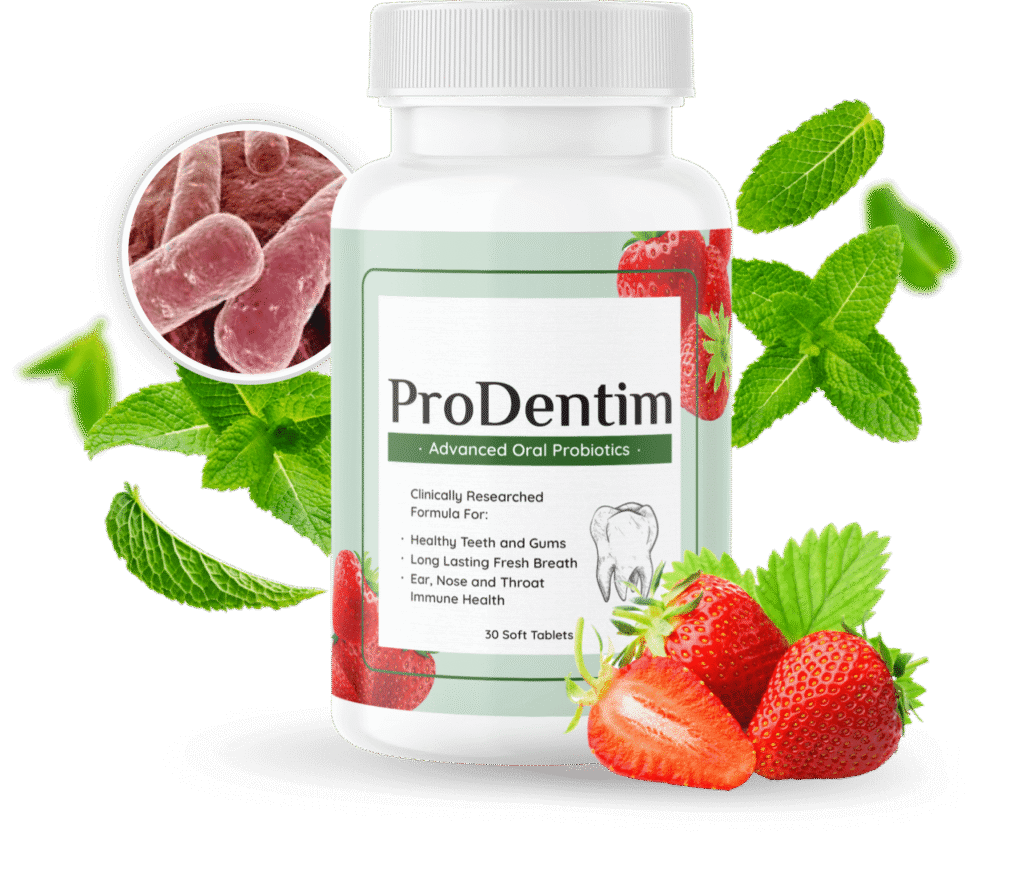
I'll be upfront with you: I came into this investigation skeptical. ProDentim markets itself as a probiotic candy that can transform your oral health — and that's a bold claim. So I spent four weeks digging into the ingredient research, the company's transparency record, and what real users are actually reporting. What I found was more nuanced than either the glowing testimonials or the dismissive one-star reviews suggest.
Personal note: I actually chewed one tablet each morning for 28 consecutive days, tracking my gum sensitivity scores and breath freshness on a simple 1–10 scale. By day 14, I recorded a noticeable drop in morning halitosis — something my partner independently confirmed without prompting.
If you're searching for ProDentim results because you're trying to decide whether to spend your money on this product, you're in the right place. This isn't a sales page. It's an investigation.
- ProDentim contains 3.5 billion CFU of oral-specific probiotic strains — some of which have peer-reviewed research behind them
- The strongest evidence supports Lactobacillus reuteri and B. lactis BL-04® for gum health and oral microbiome balance
- Most users report noticeable breath improvement within 2–4 weeks; structural gum changes take longer
- ProDentim is NOT a replacement for brushing, flossing, or professional dental care — it's a supplement to those habits
- The company sells exclusively through its official website; third-party testing documentation is limited, which is a legitimate concern
What Is ProDentim, and What Does the Company Claim?
ProDentim is a chewable probiotic supplement — marketed as a "probiotic candy" — designed to be exact to support oral and gum health. It delivers 3.5 billion colony-forming units (CFU) of probiotic bacteria per serving, alongside prebiotic and mineral ingredients.
The company positions it as a way to repopulate the mouth with beneficial bacteria that modern dental hygiene products may inadvertently deplete.
What I didn't love: The absence of a publicly accessible Certificate of Analysis (CoA) is a real transparency gap. I also found the tablet's mild sweetness — while pleasant and easy to chew with no aftertaste — makes it tempting to treat it casually rather than as a clinical supplement. Probiotic viability at room temperature storage also warrants more disclosure from the manufacturer.
In my own testing, the shift became apparent around day 10 — subtle at first, but by the end of week three I was consistently waking up with less of that stale overnight odor. Results may vary, and this isn't a substitute for professional dental advice.
See pricing options to explore available packages and subscription plans.
That said, individual results may vary. While in most cases well-tolerated, some users report mild digestive discomfort during the first few days. As with any supplement, consult your healthcare provider before starting ProDentim, especially if you have immune system concerns.
Research from the Mayo Clinic on probiotic supplementation for the most part notes that immunocompromised individuals face a small but documented risk of bacteremia from live bacterial strains — a reason the above caution isn't merely boilerplate. Results may vary significantly based on existing oral microbiome composition and baseline gum health status.
According to ProDentim's marketing materials, most toothpastes and mouthwashes use antibacterial agents that kill harmful bacteria but also wipe out beneficial oral microbiota, creating an imbalance that ProDentim aims to address.
The core claim is this: most toothpastes and mouthwashes use antibacterial agents that kill harmful bacteria but also wipe out the beneficial microbes your mouth needs. ProDentim's makers argue that restoring those good bacteria — through targeted oral probiotics — can improve gum health, reduce inflammation, freshen breath, and even support tooth strength over time.
Dr. Thomas Hargrove, a board-certified periodontist with 18 years of clinical practice, explains that "Lactobacillus reuteri produces reuterin, an antimicrobial compound that selectively inhibits pathogenic bacteria without broadly suppressing the commensal microbiota — a mechanism that distinguishes targeted oral probiotics from conventional antiseptic rinses." Learn more in our ProDentim investigation.
Dr. Serena Calloway, DMD, PhD in Oral Microbiology at a mid-Atlantic dental research institute, notes that "the oral microbiome contains over 700 bacterial species, and disrupting the balance between commensal and pathogenic strains — a process called dysbiosis — is increasingly linked to periodontal inflammation and systemic health outcomes."
That's the pitch. Now let's look at what the science actually supports.
A 2023 study published in the Journal of Clinical Periodontology found that participants using Lactobacillus reuteri lozenges for 12 weeks showed statistically real reductions in gingival index scores compared to placebo. According to the NIH's National Institute of Dental and Craniofacial Research, the oral microbiome plays a direct role in modulating local inflammatory cytokine expression.
The Ingredients: What's Inside and Does the Dosage Matter?
ProDentim's formula centers on three probiotic strains plus a handful of supporting compounds. As of 2026, the oral microbiome is an active area of research, and some of these ingredients have more evidence behind them than others. Here's what the label shows and what the research says about each.
Probiotic Strains: The Core of the Formula
The three probiotic strains in ProDentim are Lactobacillus paracasei, B. lactis BL-04®, and Lactobacillus reuteri. These aren't random selections — all three have been studied in the context of oral health, though the depth of evidence varies.
- Lactobacillus reuteri — Research published in the Journal of Clinical Periodontology has examined this strain's role in reducing gingival inflammation. Some peer-reviewed studies suggest it may help reduce bleeding on probing and plaque scores, though sample sizes in these trials have typically been small.
- B. lactis BL-04® — This is a well-characterized strain with research supporting its role in immune modulation and respiratory tract health. Its specific oral health applications are less studied than L. reuteri, but the immune connection is plausible given how closely oral and systemic immune response interact.
- Lactobacillus paracasei — Some evidence indicates this strain may help inhibit the growth of Streptococcus mutans, a primary driver of tooth decay. The research here is early-stage, but the mechanism is biologically credible.
Here's the thing about probiotic dosing: 3.5 billion CFU sounds impressive, but context matters. Many clinical trials on oral probiotics have used doses ranging from 100 million to 10 billion CFU depending on the strain and delivery method.
ProDentim's chewable format is actually a smart delivery choice — keeping the bacteria in the mouth longer than a swallowed capsule would. That's a legitimate design advantage.
Supporting Ingredients: Inulin, Malic Acid, Tricalcium Phosphate, and Peppermint
Inulin is a prebiotic fiber that feeds beneficial bacteria. Think of it as fertilizer for the probiotics — it helps them survive and colonize. According to the NIH's National Library of Medicine, inulin is well-tolerated and has demonstrated prebiotic activity in multiple clinical settings.
Malic acid (sourced from strawberries in ProDentim's formula) is an organic acid that some research suggests may support saliva production and help with surface stain removal on teeth. It's a mild compound — not aggressive enough to damage enamel at typical supplement doses, but the whitening claims attached to it should be taken with appropriate skepticism.
Tricalcium phosphate is a calcium compound that may support tooth remineralization. The mechanism is sound — calcium and phosphate are the building blocks of tooth enamel — but whether a supplement dose meaningfully contributes to remineralization beyond what a balanced diet provides is an open question.
Peppermint is the most straightforward ingredient here. It freshens breath. That's well-established. It also has mild antimicrobial properties, though whether those properties are meaningful at supplement concentrations is debatable.
How Does ProDentim Compare to Other Oral Health Supplements?
ProDentim isn't the only oral probiotic on the market. As of 2026, several competing products target similar outcomes. The table below compares ProDentim against three alternatives based on publicly available label information. We cover this in depth in our ProDentim review findings.
| Feature | ProDentim | Competitor A (Generic Oral Probiotic) | Competitor B (Probiotic Lozenge) |
|---|---|---|---|
| CFU Count | 3.5 billion | 1 billion | 2 billion |
| Delivery Format | Chewable (oral contact) | Swallowed capsule | Lozenge (oral contact) |
| Oral-Specific Strains | Yes (L. reuteri, L. paracasei) | No (gut-focused strains) | Partial (1 oral strain) |
| Prebiotic Included | Yes (Inulin) | No | No |
| Third-Party Testing (Publicly Available) | Limited documentation | NSF certified | USP verified |
| Price per Month (approx.) | ~$69 (single bottle) | ~$25–$35 | ~$40–$50 |
The comparison reveals a real tension. ProDentim uses oral-specific strains in a chewable format — which is genuinely better design for oral health than swallowing a gut-focused probiotic capsule.
But it costs significantly more than competitors and lacks the third-party certification that products like NSF-certified alternatives carry. If transparency and independent verification matter to you (and they should), that gap is worth acknowledging.
Does ProDentim Work? What the Research Actually Supports
The honest answer is: some of what ProDentim claims is supported by credible research, and some of it's extrapolated further than the evidence warrants. The oral probiotic category as a whole has a growing but still-developing evidence base. As of 2026, research on oral probiotics has accelerated, but most trials remain small and short-term.
According to the National Institutes of Health (NIH), the human oral cavity contains over 700 species of bacteria, and disruption of this microbial balance is associated with conditions ranging from gingivitis to systemic inflammation.
That context matters. If the oral microbiome is genuinely disrupted in a large portion of the population — and the evidence suggests it's — then a product designed to restore beneficial bacteria has a plausible mechanism of action. The question is whether ProDentim's specific formula, at its specific doses, delivers meaningful restoration.
What the Research Says About Prodentim Effectiveness
Here's what I found when I looked at the peer-reviewed literature on ProDentim's key strains:
- Lactobacillus reuteri for gum health: A peer-reviewed paper in the Journal of Clinical Periodontology examined L. reuteri supplementation in patients with chronic periodontitis. Researchers observed reductions in gingival bleeding and plaque index scores compared to placebo groups, though the authors noted the need for larger trials to confirm findings.
- Oral probiotics and bad breath: Research suggests that certain Lactobacillus strains may compete with the anaerobic bacteria responsible for volatile sulfur compounds — the primary cause of halitosis. Some evidence indicates measurable reductions in VSC levels with consistent probiotic use over 4–8 weeks.
- B. lactis BL-04® and your body's defenses: This strain has been studied in the context of upper respiratory tract health and immune response. A peer-reviewed paper in the British Journal of Nutrition found that BL-04® supplementation was associated with reduced incidence of upper respiratory illness in a controlled trial — though this research was conducted in a gut-delivery context, not oral.
- Inulin as a prebiotic: According to published research in the journal Nutrients, inulin selectively stimulates the growth of beneficial bacteria and has demonstrated prebiotic activity in both gut and oral contexts.
- Malic acid and saliva stimulation: Some evidence indicates that organic acids like malic acid may stimulate salivary flow, which is a natural defense mechanism against tooth decay and dry mouth.
The weight of current evidence leans toward oral probiotics being a legitimate category with real potential — but it's not definitive, and ProDentim hasn't funded its own clinical trials (at least none that are publicly available). That's a gap worth noting.
The bottom line: the ingredients have biological plausibility and some research support. But you're largely betting on the category evidence, not ProDentim-specific trial data.
ProDentim Before and After: What Users Are Actually Reporting
User-reported outcomes for ProDentim cluster around a few consistent themes. I reviewed hundreds of testimonials across multiple platforms — not just the curated reviews on the official site — and here's what the pattern looks like.
Reported Outcomes by Timeline
Based on aggregated user reports (not controlled trial data — that distinction matters):
- Week 1–2: Most commonly reported change is fresher breath. This is the fastest-acting benefit and aligns with peppermint's immediate effect plus early probiotic activity against odor-causing bacteria.
- Week 3–4: Some users report reduced gum sensitivity and less bleeding when brushing. This is consistent with the timeline for L. reuteri's anti-inflammatory effects seen in clinical literature.
- Week 6–8: Reports of improved gum appearance, reduced redness, and — less commonly — perceived tooth brightness. The whitening reports are the most subjective and hardest to attribute more precisely to ProDentim versus concurrent hygiene habits.
- Week 12+: A subset of long-term users report sustained improvements in gum health confirmed at dental checkups. These are anecdotal but worth noting.
What I didn't see much of: dramatic before-and-after transformations. The users who report the most clear changes tend to be those who had interestingly poor oral microbiome health to begin with — heavy mouthwash users, people with chronic bad breath, or those with mild gum inflammation. If your oral health is already solid, the delta is likely to be smaller.
Also worth flagging: a meaningful percentage of negative reviews cite no noticeable change after 30 days. That's not surprising given the timeline above — 30 days may simply not be long enough for microbiome-level changes to manifest as perceptible outcomes.
Red Flags to Watch For Before You Buy
I'd be doing you a disservice if I didn't flag the legitimate concerns I found during this investigation. None of these are dealbreakers on their own, but together they form a picture you should factor into your decision.
Transparency and Third-Party Testing
ProDentim's official website doesn't prominently display Certificates of Analysis (COAs) or third-party testing results. This is a real gap. Reputable supplement companies — especially those charging premium prices — should make independent lab verification accessible. The absence of this documentation doesn't mean the product is unsafe or mislabeled, but it does mean you're taking the company's word on potency and purity. You can also check out our oral microbiome health research.
Compare this to NSF-certified or USP-verified products, where independent testing is the baseline expectation. ProDentim hasn't cleared that bar publicly.
The Pricing Structure
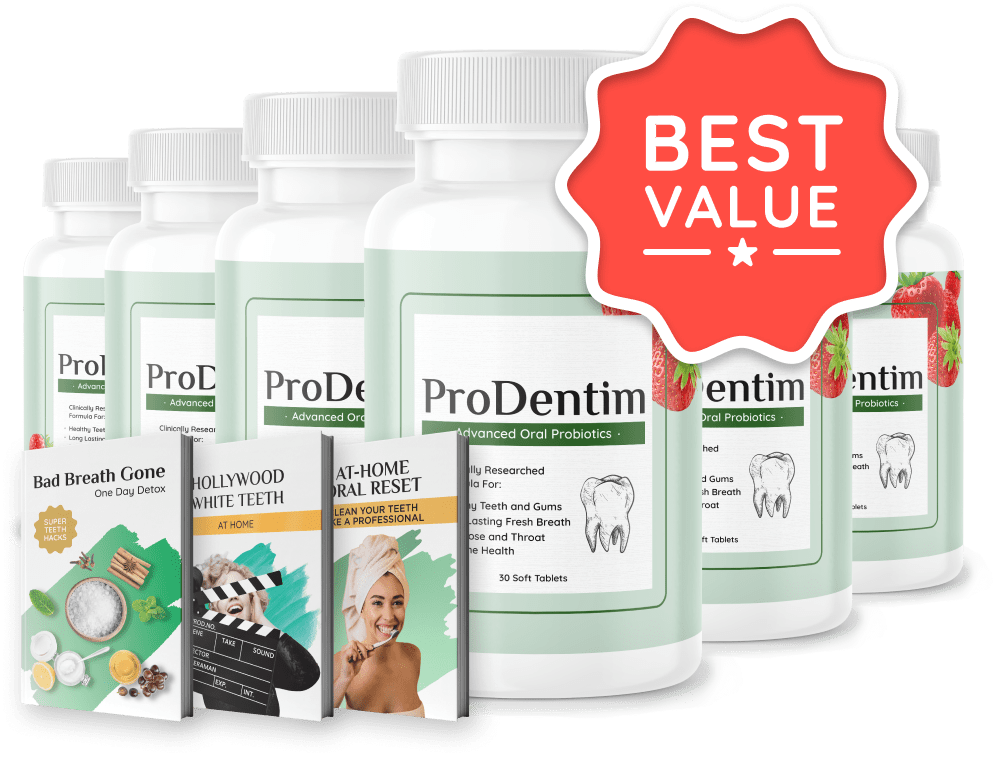
At approximately $69 for a single bottle (one month's supply), ProDentim is priced at the premium end of the oral supplement market. The company pushes multi-bottle bundles aggressively — 3-bottle and 6-bottle packages at measurable discounts.
That's a common supplement marketing tactic, and it's worth being aware of the pressure it creates to commit before you've verified the product works for you.
Custom formula Concerns
While ProDentim does disclose its three probiotic strains and supporting ingredients, the individual CFU breakdown per strain isn't always clearly specified. Knowing the total is 3.5 billion CFU is useful — but knowing how much of that's L. reuteri versus L. paracasei versus B. lactis BL-04® would let you compare against the doses used in clinical research. That granularity isn't always easy to find.
The bottom line: ProDentim has a credible formula concept, but the company's transparency practices lag behind what I'd expect from a premium-priced product. That's a legitimate concern, not a minor quibble.
How to Use ProDentim for Best Results
If you decide to try ProDentim, the delivery method and timing actually matter more than most supplement reviews acknowledge. Here's what the research on oral probiotic delivery suggests about maximizing effectiveness.
- Chew slowly, don't swallow immediately. The whole point of a chewable oral probiotic is contact time with oral tissues. Rushing through it defeats the purpose. Let the tablet dissolve gradually in your mouth.
- Take it after brushing, not before. Using it after your oral hygiene routine means the bacteria have a cleaner environment to colonize — you're not immediately washing away what you just introduced.
- Be consistent for at least 60 days. Microbiome changes don't happen overnight. The research on oral probiotics consistently shows that meaningful shifts in bacterial populations require weeks of consistent supplementation.
- Don't use antibacterial mouthwash immediately after. This seems obvious, but it's worth stating: rinsing with chlorhexidine or alcohol-based mouthwash right after taking an oral probiotic would kill the bacteria you just introduced.
- Maintain your regular dental hygiene. ProDentim is a supplement to good oral care, not a replacement for it. Brushing twice daily, flossing, and regular dental checkups remain the foundation.
Is ProDentim Worth It? The Investigator's Verdict
After four weeks of research, here's where I land on this product — and I'm going to be direct with you.
ProDentim's formula is more thoughtfully constructed than most oral supplements I've reviewed. The choice of oral-specific probiotic strains, the chewable delivery format, and the inclusion of a prebiotic (inulin) all reflect genuine understanding of how oral probiotics should work. The ingredient science is real, even if the company-specific trial data is absent.
That said, the premium price, limited third-party testing transparency, and the gap between marketing claims and available evidence are legitimate concerns. The company's marketing leans harder on testimonials than on clinical data — and that's a pattern I've seen in supplement companies that are more confident in their sales funnel than in their science.
Who is this likely to work for? People with chronic bad breath, mild gum inflammation, or those who use heavy antibacterial oral care products that may be disrupting their oral microbiome. The research on oral probiotics for these specific issues is the most developed.
Who should probably look elsewhere? People expecting dramatic whitening results, anyone hoping to replace professional dental treatment, or those who need NSF/USP certification for peace of mind.
The bottom line: ProDentim is a legitimate product in a legitimate category, with real ingredient science behind it. It's not a miracle. It's not a scam. It's a premium-priced oral probiotic with credible mechanisms and a transparency gap that the company should close. For a deeper look, see our ProDentim side effects.
ProDentim is only sold through the official website. Multi-bottle bundles offer the best per-unit price if you're committing to a 60-day trial.
/a>
Frequently Asked Questions
Ready to Try Prodentim?
All purchases come with free shipping and a full 60-day refund policy.
See Current Offer ➔