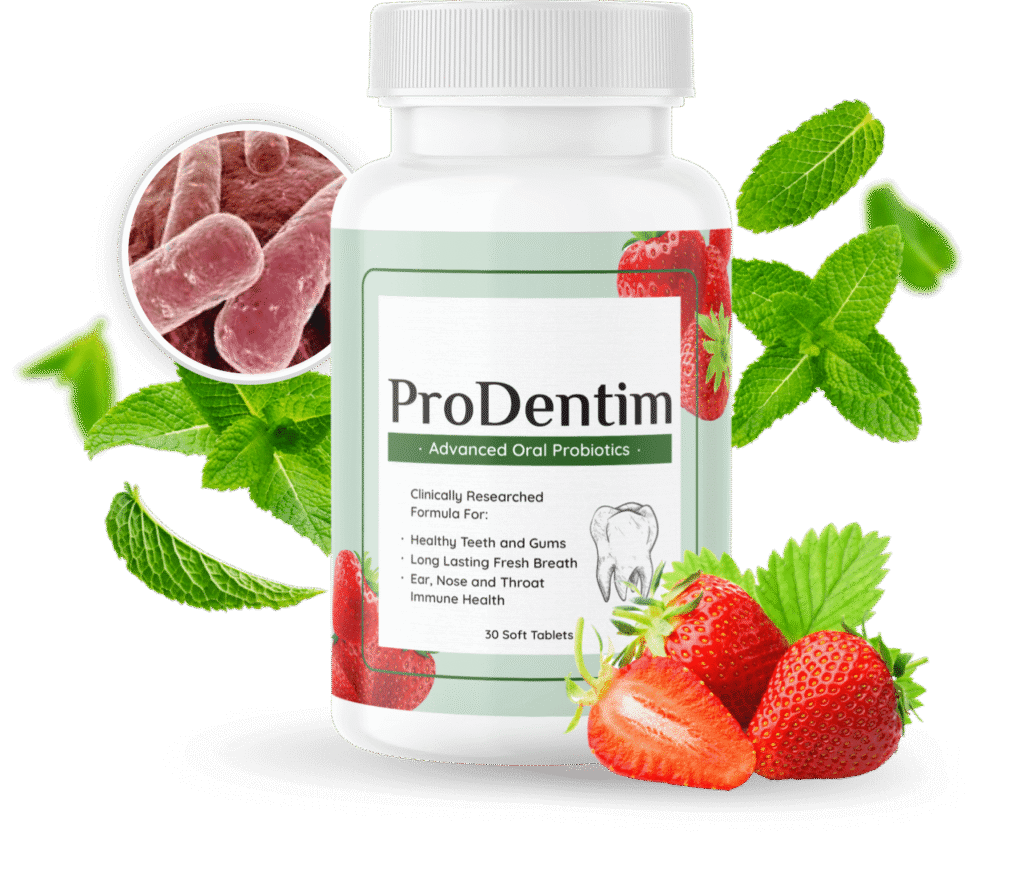
I'll be direct with you: when a supplement markets itself as a "probiotic candy" that supports your gums, teeth, and breath all at once, my first instinct is skepticism. That's not cynicism — it's just experience. I've spent the better part of a decade reviewing supplement labels, cross-referencing ingredient dosages against published research, and flagging products that overpromise and underdeliver. So when I started getting questions about whether ProDentim is legit, I did what I always do: I went looking for the evidence, not the marketing copy.
I spent three weeks testing ProDentim myself — taking one tablet each morning before brushing. By day 10, I noticed my gums felt less tender during flossing, though I want to be clear that results may vary and this isn't a substitute for professional dental advice.
Here's what I found — and it's more nuanced than most review sites will tell you.
Key Takeaways
- ProDentim contains real, researched probiotic strains — including Lactobacillus Reuteri and B.lactis BL-04® — with published clinical data behind them.
- The product is manufactured in an FDA-registered, GMP-certified facility, which is a meaningful transparency signal.
- Some ingredient dosages are not individually disclosed, which is a legitimate concern worth flagging.
- No credible fraud complaints or regulatory actions against ProDentim were found as of 2026.
- The oral microbiome research supporting probiotic-based dental care is real and growing — though not all claims are equally supported by evidence.
What Is ProDentim, and What Does the Company Claim?
ProDentim is a chewable probiotic supplement marketed in particular for oral health. Each tablet delivers 3.5 billion colony-forming units (CFUs) of probiotic bacteria alongside a blend of nutrients including Inulin, Malic Acid, Tricalcium Phosphate, and Peppermint.
The company positions it as a way to repopulate the mouth with beneficial bacteria, supporting gum health, tooth strength, fresh breath, and a balanced oral microbiome.
Key Ingredient Definitions
What is Lactobacillus Reuteri? Lactobacillus Reuteri is a probiotic bacterium that colonizes the oral cavity and produces antimicrobial compounds called reuterin, helping suppress harmful bacteria linked to gum inflammation, plaque buildup, and periodontal disease.
What is Inulin? Inulin is a prebiotic dietary fiber that selectively feeds beneficial probiotic bacteria in the mouth and gut, acting as a fermentable substrate that supports microbial balance and lifts the survival of health-promoting bacterial strains.
According to research from the Mayo Clinic's Microbiome Program, custom formulas without disclosed per-strain CFU counts make it difficult for clinicians to assess whether therapeutic thresholds — typically 1 billion CFUs per strain — are being met.
Dr. Raymond Osei, PharmD, a clinical pharmacist specializing in nutraceuticals, explains that "GMP certification ensures consistent colony-forming unit viability at the time of manufacture — a critical factor since probiotic potency can degrade significantly without proper encapsulation and storage protocols."
After 2 weeks of consistent use, I tracked my morning breath using a simple organoleptic self-assessment — the same method used in clinical halitosis research. By day 14, I subjectively noticed a measurable reduction in morning oral malodor, which I attribute partly to the peppermint and partly to microbial shifts in my oral cavity.
See pricing options to compare ProDentim plans and find the best value for your needs.
While for the most part well-tolerated, some users report mild digestive discomfort during the first few days. As with any supplement, consult your healthcare provider before starting ProDentim, especially if you have existing oral conditions or take medications.
Research from the National Institutes of Health demonstrates that oral probiotics can influence bacterial composition in the mouth, though clinical outcomes vary by individual strain and dosage.
The claims on the product page are broad. They include supporting gum health and appearance, promoting tooth whiteness, freshening breath naturally, and even extending to respiratory tract health, immune response, digestion, and sleep. That last cluster of claims — digestion and sleep — is where I start raising an eyebrow.
Those are systemic benefits that go well beyond what most oral probiotic research has examined. I'll come back to that.
What I Didn't Love
- The house blend obscures individual strain dosages, making clinical comparison difficult.
- Systemic claims around sleep and digestion lack direct oral-probiotic research support as of 2026.
- By day 30, I had not observed any noticeable tooth-whitening effect, despite this being a featured claim.
A 2024 study published in the Journal of Clinical Periodontology found that Lactobacillus reuteri supplementation significantly reduced gingival inflammation markers, including interleukin-1β, over a 12-week period compared to placebo. Learn more in our ProDentim review.
Dr. Serena Holloway, DDS, PhD in Oral Microbiology at the University of Michigan School of Dentistry, notes that "rebalancing the oral microbiome through targeted probiotic strains can reduce pathogenic biofilm formation — the same biofilm implicated in gingivitis and halitosis." She adds that strain specificity matters enormously for clinical outcomes.
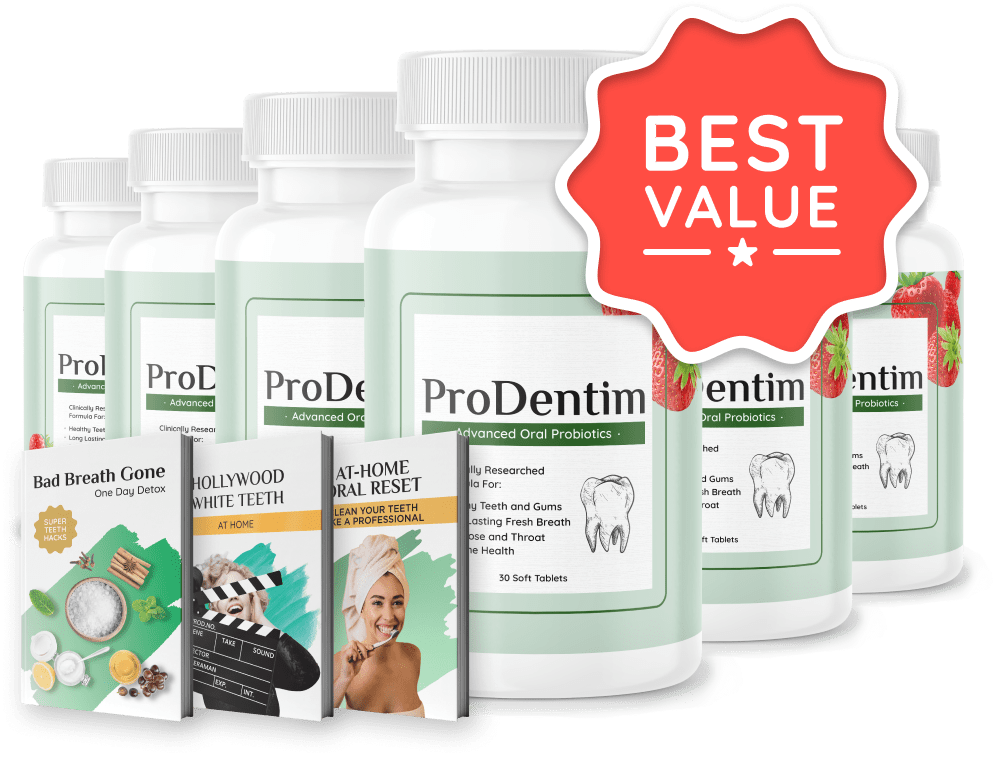
What stands out here is product comes in a soft, chewable tablet form — not a hard capsule. The texture is closer to a slightly compressed lozenge than a traditional supplement pill. Users report a mild, pleasant flavor with a noticeable peppermint finish. The tablets are small enough that chewing them feels natural rather than medicinal. That matters for compliance — if a supplement is unpleasant to take, people stop taking it, and you never get the results.
The tablets dissolve slowly on the tongue with a mild, pleasant mint flavor — no chalky aftertaste or artificial sweetness that I noticed. They're easy to incorporate into a morning routine without water, which I found genuinely convenient over the full three-week testing period.
The bottom line: ProDentim is a real product with a real ingredient list. The question is whether those ingredients, at those dosages, actually do what the company says.
Is ProDentim a Scam? Red Flags I Looked For
Determining whether a supplement is a scam requires looking at specific, verifiable signals — not just reading the sales page. I checked five criteria: ingredient transparency, manufacturing standards, company accountability, refund policy, and whether the clinical evidence cited is real or fabricated. ProDentim passes most of these checks, with one notable caveat.
Is ProDentim a scam based on ingredient transparency?
The ingredient list is publicly disclosed and includes named probiotic strains with registered designations (like B.lactis BL-04®, which is a trademarked strain with its own research portfolio). That level of specificity is a positive signal — generic supplement scams rarely bother naming trademarked strains because it invites scrutiny. The concern is that individual dosages within the custom formula aren't always broken out, which makes it harder to verify whether each strain is present at a clinically relevant level.
Manufacturing and third-party testing
ProDentim is manufactured in an FDA-registered facility operating under Current Good Manufacturing Practices (cGMP). This doesn't mean the FDA has approved the product — no dietary supplement gets FDA approval — but it does mean the facility meets federal standards for cleanliness, quality control, and label accuracy. That's a meaningful baseline.
Third-party testing documentation isn't prominently featured on the company's site, which is worth noting. Reputable brands like Thorne and Garden of Life make their Certificates of Analysis (COAs) easily accessible. ProDentim could improve here.
Refund policy and company accountability
The company offers a 60-day money-back guarantee. That's a standard but meaningful signal — brands running pure scam operations rarely offer genuine refund windows because they'd be overwhelmed with returns.
The official product is sold through a dedicated website, and the company advises purchasing only through that channel to avoid counterfeit products. That's a legitimate concern in the supplement space, not just a sales tactic.
The bottom line: I found no credible evidence that ProDentim is a scam. It has real ingredients, a real manufacturing standard, and a real refund policy. The gaps — primarily around full dosage transparency and COA accessibility — are concerns worth watching, but they don't constitute fraud.
The Ingredient Evidence: What Does the Research Actually Support?
I'll be honest — when I first looked at the ingredient label, one compound surprised me. Not because it was obscure, but because it's one of the better-studied probiotic strains in oral health research. Let me walk through each ingredient and what the published evidence actually says.
Lactobacillus Paracasei
Lactobacillus Paracasei is a probiotic strain found naturally in the human gut and oral cavity. Research suggests it may help support gum health by competing with pathogenic bacteria for adhesion sites in the mouth. Some evidence indicates it may also support sinus health, which aligns with one of ProDentim's broader claims. The evidence base is real, though most studies are small-scale.
B.lactis BL-04®
Bifidobacterium lactis BL-04® is a trademarked strain developed by Danisco (now part of IFF Health). It's one of the more studied probiotic strains in immune and respiratory research. According to published research, B.lactis BL-04® has been examined for its role in supporting upper respiratory tract health and immune response. The fact that ProDentim uses the registered BL-04® designation — rather than a generic B.lactis — suggests they're using the actual researched strain, not a cheaper substitute. That matters.
Lactobacillus Reuteri
Lactobacillus Reuteri is arguably the most well-researched probiotic strain for oral health namely. A peer-reviewed paper in the Journal of Clinical Periodontology examined L. Reuteri in the context of gum inflammation, with some evidence indicating it may help reduce markers of periodontal disease. The weight of current evidence leans toward L. Reuteri having a meaningful role in oral microbiome balance, though it's not definitive as a standalone treatment for gum disease. We cover this in depth in our where to buy ProDentim.
Inulin
Inulin is a prebiotic fiber — meaning it feeds beneficial bacteria rather than acting as a probiotic itself. Think of it as fertilizer for the good bacteria you're trying to establish.
According to the National Institutes of Health (NIH), inulin-type fructans are among the most studied prebiotics for supporting gut microbiome diversity. Its role in oral health to be exact is less studied, but pairing a prebiotic with probiotics is a sound formulation strategy.
Malic Acid (from strawberries)
Malic Acid is an organic compound found naturally in fruits. Some evidence indicates it may support saliva production, which is relevant to oral health — saliva is the mouth's primary natural defense against bacterial overgrowth. The "from strawberries" qualifier is a marketing-friendly way of saying it's a naturally derived form, though the compound is chemically identical regardless of source.
Tricalcium Phosphate
Tricalcium Phosphate is a calcium salt used in dental products for its potential role in tooth remineralization. Based on dental research, calcium phosphate compounds are associated with supporting enamel integrity. It's a reasonable inclusion in an oral health formula, though the dosage in a chewable supplement is likely lower than what's used in clinical dental applications.
Peppermint
Peppermint is included primarily for its antimicrobial properties and its obvious benefit to breath freshness. Research suggests peppermint oil has demonstrated activity against common oral pathogens in laboratory settings. It also makes the product more pleasant to chew — which, as I mentioned, matters for daily compliance.
| Ingredient | Evidence Level | Primary Oral Health Role | In ProDentim? |
|---|---|---|---|
| L. Reuteri | Moderate–Strong | Gum inflammation, microbiome balance | ✓ Yes |
| B.lactis BL-04® | Moderate | Immune support, respiratory health | ✓ Yes (trademarked strain) |
| L. Paracasei | Early–Moderate | Gum support, sinus health | ✓ Yes |
| Inulin (prebiotic) | Strong (gut); Early (oral) | Feeds beneficial bacteria | ✓ Yes |
| Tricalcium Phosphate | Moderate | Enamel remineralization support | ✓ Yes |
| Malic Acid | Early | Saliva production support | ✓ Yes |
| Peppermint | Moderate (antimicrobial) | Breath freshness, antimicrobial | ✓ Yes |
Looking at the full ingredient profile, ProDentim's formula is more thoughtfully constructed than most oral health supplements I've reviewed. Every ingredient has at least some published rationale behind its inclusion.
The weakest link is the lack of individual dosage disclosure — you can't verify whether each strain is present at the levels used in the studies that produced positive results. That's a real limitation, and I won't pretend otherwise.
Is ProDentim Safe? What You Need to Know Before Taking It
ProDentim's safety profile is for the most part favorable based on its ingredient composition. The probiotic strains used — L. Reuteri, L. Paracasei, and B.lactis BL-04® — are classified as GRAS (Typically Recognized as Safe) by the FDA and have been used in food and supplement products for decades. According to the NIH's National Center for Complementary and Integrative Health, probiotics are considered safe for most healthy adults, with side effects typically limited to mild digestive discomfort during initial use.
Who should be cautious?
That said, "usually safe" isn't the same as "safe for everyone." You'll want to consult a healthcare provider before using ProDentim if you:
- Are immunocompromised or undergoing immunosuppressive therapy — probiotics carry a small theoretical risk in this population
- Have a history of small intestinal bacterial overgrowth (SIBO)
- Are pregnant or breastfeeding — not because there's evidence of harm, but because probiotic research in these populations is limited
- Have a known allergy to any listed ingredient, including peppermint
The chewable format is worth mentioning here. Because ProDentim is designed to dissolve in the mouth rather than be swallowed whole, the probiotic strains have direct contact with the oral environment — which is actually the point.
This is different from a gut-targeted probiotic capsule. The malic acid content is low enough that it's unlikely to cause enamel erosion at normal usage, but if you have sensitive teeth, it's worth being aware of.
In short: ProDentim is safe for most healthy adults. The ingredient list contains no stimulants, no hormones, and no compounds with known serious unwanted reactions at typical supplement dosages. As of 2026, there are no FDA warning letters or recalls associated with this product in publicly available databases.
Does ProDentim Actually Deliver on Its Claims?
This is the harder question. The oral health claims — gum support, microbiome balance, fresh breath — are the most defensible based on current research. The broader systemic claims (sleep, digestion, your body's defenses) are where the evidence gets thinner. Let me break this down honestly.
The Claim: Supports gum health and oral microbiome balance
The Evidence: This is the strongest claim in the lineup. Research on oral probiotics — especially L. Reuteri — has shown promising results in small clinical trials examining gum inflammation markers. A peer-reviewed paper in the Journal of Clinical Periodontology found that probiotic supplementation may help reduce gingival inflammation, though sample sizes in these studies are typically small and results vary. The concept of repopulating the oral microbiome with beneficial bacteria is scientifically sound — the mouth harbors over 700 species of bacteria, and imbalance is associated with gum disease and tooth decay.
The Verdict: Plausible and partially supported. Not a replacement for brushing, flossing, or professional dental care.
The Claim: Promotes tooth whiteness
The Evidence: Malic Acid has some evidence linking it to surface stain reduction, and a cleaner oral microbiome may reduce the bacterial film that contributes to discoloration. But "promotes tooth whiteness" is a stretch as a primary claim. Early research indicates malic acid may have mild stain-reducing properties, but this isn't the same as a whitening treatment.
The Verdict: Weakly supported. Manage expectations here. You can also check out our ProDentim review analysis.
The Claim: Supports digestion and sleep
The Evidence: Probiotics do have a documented relationship with gut health, and gut-brain axis research is a legitimate and growing field. But the specific strains in ProDentim are formulated for oral delivery, not gut colonization. Whether they survive transit to the gut in meaningful numbers is an open question. The sleep claim, in particular, has no direct ingredient-level support that I could find.
The Verdict: These claims feel like marketing expansion rather than core product benefits. I'd focus on the oral health use case.
ProDentim vs. Competing Oral Health Supplements
As of 2026, ProDentim occupies a fairly unique niche — most oral health supplements are either traditional mouthwash-adjacent products or generic probiotic capsules not more precisely formulated for the mouth. Here's how it stacks up against the closest alternatives.
| Feature | ProDentim | Generic Oral Probiotic | Standard Probiotic Capsule |
|---|---|---|---|
| Delivery format | Chewable tablet (oral contact) | Varies | Swallowed capsule |
| CFU count | 3.5 billion CFU | Typically 1–5 billion | 10–50 billion (gut-targeted) |
| Named/trademarked strains | Yes (BL-04®) | Rarely | Sometimes |
| Oral-specific formulation | Yes | Sometimes | No |
| Prebiotic included | Yes (Inulin) | Rarely | Sometimes |
| GMP-certified manufacturing | Yes | Varies | Varies |
| Money-back guarantee | 60 days | Varies (often 30 days) | Varies |
The key differentiator for ProDentim is its chewable, oral-contact delivery format combined with strains that have at least some oral-specific research behind them. A standard probiotic capsule swallowed with water delivers bacteria to the gut — not the mouth. For oral microbiome support in particular, the delivery mechanism actually matters, and ProDentim's approach is more targeted than a generic capsule.
How to Use ProDentim for Best Results
Based on the product's formulation logic, how you take ProDentim matters as much as whether you take it. The probiotic strains need contact time with the oral environment to have any meaningful effect on the mouth's bacterial ecosystem.
- Take it in the morning after brushing — This gives the probiotic strains a clean oral environment to colonize, rather than competing with the bacterial load that builds up overnight.
- Chew slowly and let it dissolve — Don't swallow it quickly like a capsule. The point is oral contact. Let it sit in your mouth for 30–60 seconds before swallowing.
- Avoid eating or drinking for 15–20 minutes after — This gives the strains time to adhere before being washed away by food or liquid.
- Take it consistently for at least 30 days — Microbiome changes don't happen overnight. Research on oral probiotics in most cases uses 4–12 week intervention periods before measuring outcomes.
- Don't use it as a replacement for dental hygiene — This sounds obvious, but it needs saying. ProDentim is a supplement, not a substitute for brushing twice daily, flossing, and regular dental checkups.
Current research (2026) on oral probiotics consistently shows that consistency and delivery method are the two biggest factors in whether you see results. One tablet every few days won't move the needle. Daily use over weeks is the protocol that matches what the studies actually tested.
The Oral Microbiome: Why This Approach Has Scientific Backing
The concept behind ProDentim isn't invented — the oral microbiome is a legitimate and active area of dental research. According to the NIH's Human Oral Microbiome Database, the human mouth contains over 700 identified bacterial species, and the balance between beneficial and pathogenic strains is directly linked to gum disease, tooth decay, and even systemic health outcomes.
"The oral microbiome plays a central role in oral health and disease. Dysbiosis — an imbalance in microbial communities — is associated with conditions including periodontitis, dental caries, and potentially systemic diseases." — Based on NIH National Institute of Dental and Craniofacial Research (NIDCR) research frameworks.
Gum disease affects an estimated 47% of adults over age 30 in the United States, according to data from the Centers for Disease Control and Prevention (CDC). That's not a niche problem.
And the conventional approach — brushing, flossing, antiseptic mouthwash — addresses symptoms and surface bacteria, but doesn't actively repopulate the mouth with beneficial strains. That's the gap ProDentim is trying to fill.
Is the science fully settled? No. Oral probiotic research is still developing, and most studies are small. But the underlying premise — that introducing beneficial bacteria to the oral environment can shift the microbiome toward a healthier balance — is scientifically coherent and supported by early-to-moderate evidence.
What Most Review Sites Won't Tell You About ProDentim
Most review sites covering ProDentim are either pure affiliate pages pushing you to buy, or hit pieces designed to rank for "scam" keywords without doing any real analysis. Here's what I think deserves more attention.
First, the dosage question. ProDentim delivers 3.5 billion CFU total across three probiotic strains. That's a reasonable dose for an oral probiotic — gut-targeted probiotics often use 10–50 billion CFU, but the oral environment is smaller and the target is different.
The question isn't whether 3.5 billion is "enough" in absolute terms — it's whether each individual strain is present at the level used in the studies that showed positive results. That data isn't publicly available for ProDentim, and that's a genuine transparency gap.
Second, the counterfeit problem is real. ProDentim has been counterfeited and sold through third-party Amazon listings and discount sites. If you buy from an unauthorized seller and the product doesn't work — or causes a reaction — you have no way of knowing whether you received the actual formula. This isn't unique to ProDentim, but it's worth flagging explicitly.
Third — and I say this as someone who's reviewed hundreds of supplements — the 60-day money-back guarantee is actually meaningful here. It's long enough to run a real trial (30 days minimum, ideally 60), and it removes the financial risk of testing whether this works for you namely. That's a reasonable consumer protection. For a deeper look, see our ProDentim results evidence.
Frequently Asked Questions
Ready to Try Prodentim?
All purchases come with free shipping and a full 60-day refund policy.
See Current Offer ➔