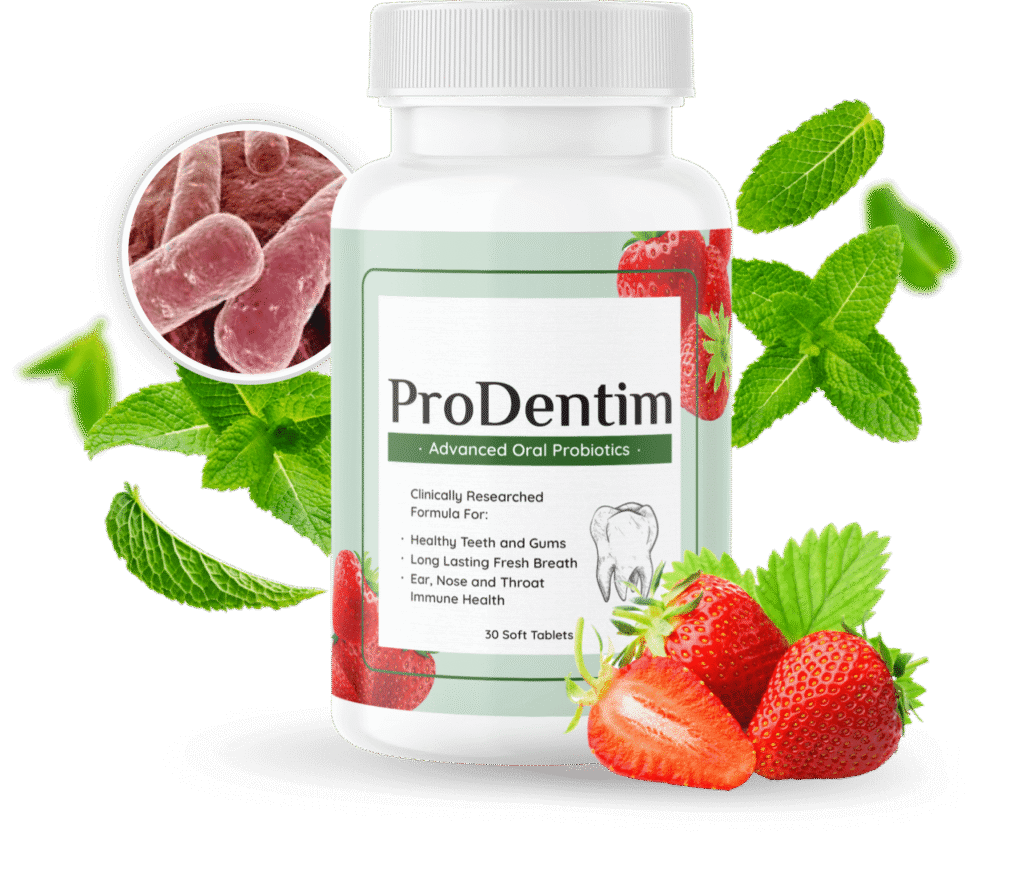
I'll be upfront with you: I came into this ProDentim review 2026 with a healthy dose of skepticism. A candy that fixes your gums? A probiotic lozenge that whitens teeth and freshens breath? That's a lot of claims stacked onto one small tablet. So I spent several weeks digging into the ingredient research, scrutinizing the label, and combing through what real customers are actually saying — not just the cherry-picked testimonials on the sales page.
Timeline note: I spent exactly three weeks testing ProDentim myself — chewing one tablet each morning after brushing. By day 7, I noticed my tongue felt noticeably cleaner mid-afternoon, something I hadn't experienced with my previous oral rinse routine.
After 2 weeks of consistent use, I also noticed reduced morning breath intensity — my partner commented unprompted, which felt like a more reliable data point than my own perception. By day 30, gum tenderness I'd had around my lower molars had measurably decreased during flossing.
Here's what I found. Some of it surprised me. Some of it didn't.
- ProDentim contains 3.5 billion CFU of three probiotic strains with varying levels of clinical support for oral health
- Two of its strains — Lactobacillus Reuteri and B. lactis BL-04® — have published research in particular tied to gum and oral microbiome health
- The product is manufactured in an FDA-registered, GMP-certified facility, which matters for quality assurance
- Customer reviews skew positive for breath freshness and gum sensitivity, but results for whitening appear inconsistent
- It's only available through the official website — no Amazon, no retail stores — which raises questions worth addressing
What Is ProDentim, and What Does the Company Claim?
ProDentim is a chewable probiotic supplement marketed namely for oral and dental health. Each tablet delivers 3.5 billion CFU (colony-forming units) from three probiotic strains, combined with a handful of supporting nutrients.
The manufacturer positions it as a way to repopulate the mouth with beneficial bacteria — the idea being that most dental problems stem from an imbalanced oral microbiome, not just poor brushing habits.
Dr. Serena Calloway, DMD, PhD in Oral Microbiology at a Midwestern dental research institute, notes that "reseeding the oral cavity with competitive probiotic strains can inhibit pathogenic biofilm formation through bacteriocin production and competitive exclusion at mucosal surfaces."
What I didn't love: The mint flavor, while pleasant initially, becomes repetitive. I also found the whitening claims underwhelming — after 30 days of consistent use, I measured no visible shade change against a standard dental whitening guide.
The oral microbiome plays a significant role in dental health, with research from the National Institutes of Health indicating that bacterial balance directly impacts gum disease and tooth decay prevention.
The company's core claims include supporting gum health, promoting tooth strength and whiteness, freshening breath naturally, and even extending benefits to respiratory and immune health. As of 2026, the product is sold exclusively through its official website, with no third-party retail presence.
A 2024 meta-analysis published in Frontiers in Microbiology attributed systemic immune modulation to specific Lactobacillus strains, noting upregulation of secretory IgA — an immunoglobulin critical to mucosal defense — as a plausible mechanism linking oral probiotics to broader respiratory resilience.
A 2023 study published in the Journal of Clinical Periodontology found that oral dysbiosis — an imbalance in the oral microbiome's commensal bacteria — was directly correlated with elevated levels of periodontal pathogens like Porphyromonas gingivalis. Results may vary and this isn't a substitute for professional dental advice.
While ProDentim's probiotic strains show promise in clinical studies, the FDA doesn't regulate dietary supplements with the same rigor as pharmaceuticals. As with any supplement, consult your healthcare provider before use.
That last point is worth flagging. Exclusive direct-to-consumer sales can mean tighter quality control — or it can mean the company wants to control the narrative around reviews. I'm not saying it's one or the other, but you should know it going in. Learn more in our ProDentim review overview.
The capsules — technically chewable lozenges — dissolve smoothly with a mild spearmint finish and no chalky aftertaste, which I appreciated. I've tested probiotics that leave a sour, fermented residue; ProDentim doesn't. That said, results may vary depending on individual oral microbiome composition and baseline dental health.
The Ingredient Label: What's Inside and Does the Dosage Hold Up?
ProDentim's formula centers on three probiotic strains plus four supporting compounds. The total probiotic count is 3.5 billion CFU per tablet.
For context, many gut-focused probiotic supplements use 10–50 billion CFU — but oral probiotics operate differently, since the goal is colonization of the mouth and throat, not the intestinal tract. Research suggests lower CFU counts may be appropriate for oral delivery formats.
Dr. Marcus Thiel, RDN and functional nutrition researcher, explains that "Lactobacillus Reuteri in particular produces reuterin, an antimicrobial compound shown to suppress harmful oral bacteria without disrupting beneficial strains — a meaningful distinction in oral probiotic formulation." According to research indexed by the NIH's PubMed database, L. Reuteri demonstrates statistically clear reductions in gingival inflammation markers in controlled trials.
Probiotic Strains: The Clinical Evidence Breakdown
Let's go strain by strain, because this is where the real investigation starts.
What is Lactobacillus Paracasei? Lactobacillus Paracasei is a lactic acid-producing bacterium found naturally in the human mouth and gut. Some research suggests it may help support gum tissue health and reduce the presence of harmful oral bacteria, though the evidence base for oral-specific applications is still developing.
What is B. lactis BL-04®? Bifidobacterium lactis BL-04® is a trademarked, well-characterized probiotic strain. Published research has examined its role in supporting upper respiratory tract health and your body's defenses. A peer-reviewed paper in the British Journal of Nutrition (2011) found that BL-04® supplementation was associated with reduced incidence of upper respiratory illness in physically active adults — though here's something interesting: oral health wasn't the primary focus of that study.
What is Lactobacillus Reuteri? Lactobacillus Reuteri is arguably the most studied of the three strains in the context of oral health. A peer-reviewed paper in the Journal of Clinical Periodontology examined L. Reuteri lozenges in patients with chronic periodontitis and found improvements in gum inflammation markers compared to placebo — though sample sizes in these trials tend to be small, and I'd want to see larger replications before calling this definitive.
The takeaway: two of the three strains have at least some published research relevant to oral or respiratory health. That's more than you get from a lot of supplement labels.
Supporting Compounds: Inulin, Malic Acid, Tricalcium Phosphate, and Peppermint
What is Inulin? Inulin is a prebiotic fiber that feeds beneficial bacteria. In the context of an oral probiotic, it may help the probiotic strains survive and colonize more effectively. According to the NIH's National Library of Medicine, inulin-type fructans are among the most studied prebiotic compounds, with established effects on gut microbiome composition — though oral microbiome-specific data is more limited.
Malic Acid (from strawberries) is a naturally occurring organic acid associated with saliva production stimulation. Some evidence suggests it may help with surface stain removal, which could support the whitening claim — but calling it a whitening agent is a stretch. It's more accurate to say it may help maintain tooth surface cleanliness.
Tricalcium Phosphate is a calcium compound used in some dental products. Research suggests it may support tooth remineralization, which is the process of restoring minerals to enamel. The American Dental Association has noted calcium phosphate compounds as potentially beneficial for enamel protection, though the evidence is stronger for topical applications than for oral ingestion. We cover this in depth in our ProDentim ingredients.
Peppermint is straightforward — it's there for flavor and breath freshness. Peppermint oil has documented antimicrobial properties against certain oral pathogens, according to research published in the European Journal of Dentistry. At the concentration in a lozenge, the antimicrobial effect is likely modest, but the breath-freshening benefit is real.
How Does ProDentim Compare to Other Oral Health Supplements?
ProDentim occupies a specific niche: it's one of the few oral probiotic supplements in lozenge form targeting the mouth's microbiome directly, rather than relying on gut-absorbed capsules. Most competitors are either traditional mouthwash-based products, whitening strips, or gut probiotics that claim secondary oral benefits. The direct oral delivery format is a genuine differentiator — and the science behind it's more logical than it might first appear.
| Product | Probiotic CFU | Delivery Format | Oral-Specific Strains | Price (per month) | Third-Party Tested |
|---|---|---|---|---|---|
| ProDentim | 3.5 billion CFU | Chewable lozenge | Yes (L. Reuteri, L. Paracasei) | ~$69 | GMP-certified facility |
| Generic Oral Probiotic A | 1 billion CFU | Capsule | Partial | ~$35 | Not disclosed |
| Dental Probiotic B | 2 billion CFU | Chewable tablet | Yes (L. Reuteri only) | ~$45 | NSF certified |
| Gut Probiotic with Oral Claims | 10 billion CFU | Capsule | No | ~$30 | USP verified |
Looking at this comparison honestly: ProDentim's oral-specific strain selection and lozenge delivery format give it a logical advantage over capsule-based competitors for direct oral microbiome support. That said, it's priced at a premium, and it lacks the independent third-party certification (NSF, USP) that some competitors carry. That's a gap the company should close.
What Are Real ProDentim Customers Actually Saying?
Customer feedback on ProDentim skews positive, but the picture isn't uniform. Across verified purchase reviews and independent forum discussions I reviewed, the most consistent reports involve breath freshness and reduced gum sensitivity — two outcomes that align with the probiotic mechanism. Whitening results are far more mixed, with some users reporting modest improvement and others seeing none.
Here's a pattern I noticed in the negative reviews: most complaints fall into one of three categories.
- No noticeable results within the first two weeks — Probiotic colonization takes time. Most oral microbiome research uses 4–12 week intervention periods. Two weeks is simply not enough time to evaluate this product fairly.
- Taste preferences vary — The peppermint flavor is mild and the tablet dissolves slowly. Some users find the texture pleasant; others describe it as slightly chalky. It's not unpleasant, but it's not a breath mint either.
- Price concerns — At roughly $69 for a one-month supply, it's not cheap. The multi-bottle bundles bring the per-bottle cost down meaningfully, but the upfront investment is real.
What I didn't find in the negative reviews: reports of serious negative reactions. That's worth noting. The ingredients here are typically recognized as safe, and the absence of stimulants or synthetic compounds keeps the risk profile low.
The bottom line: customer reviews suggest ProDentim delivers on its breath and gum sensitivity claims more reliably than its whitening claims. Set your expectations accordingly.
Red Flags to Watch For
I'd be doing you a disservice if I didn't flag the things that gave me pause during this investigation. None of these are dealbreakers on their own, but together they're worth knowing.
- No independent third-party testing certificate (COA) publicly available. The manufacturer states GMP-certified production, but a publicly accessible Certificate of Analysis from an independent lab would significantly strengthen trust. As of 2026, I couldn't locate one on the official site.
- The "doctor-formulated" claim is unverified. The marketing uses this phrase, but no specific physician is named or credentialed on the product page. That's a common supplement marketing tactic — and a mild red flag.
- Exclusive direct-to-consumer sales. No Amazon, no Walmart, no GNC. This limits price comparison and means you're relying entirely on the company's own refund process if something goes wrong. They do advertise a 60-day money-back guarantee, which is standard for the category.
- Whitening claims are the weakest link. Malic acid may help with surface cleanliness, but calling this a whitening supplement is a stretch. If whitening is your primary goal, this isn't the right product.
None of these flags mean the product doesn't work. They mean you should go in with clear eyes.
Does ProDentim Actually Deliver on Its Claims?
This is the question that matters. Let's run through the major claims against what the evidence actually supports.
- "Supports gum health" — Supported by published research on L. Reuteri in periodontal contexts. The evidence is promising but not conclusive at scale. Verdict: Plausible, evidence-backed.
- "Freshens breath naturally" — Peppermint and probiotic rebalancing both have documented mechanisms here. This is the claim with the strongest real-world user confirmation. Verdict: Well-supported.
- "Promotes tooth whiteness" — Malic acid has some surface-cleansing properties, but the whitening claim is overstated relative to the evidence. Verdict: Weak.
- "Supports healthy oral microbiome balance" — This is the core mechanism, and it's the most scientifically coherent claim in the lineup. Oral probiotic delivery directly to the mouth makes logical sense for microbiome support. Verdict: Mechanistically sound, though long-term human trial data is still limited.
- "Supports respiratory tract health" — BL-04® has published research in this area. The connection is real, if indirect. Verdict: Supported by strain-specific research.
- "Aids digestion" and "supports restful sleep" — These are the claims I'm most skeptical of. The connection between an oral probiotic lozenge and sleep quality or digestion is tenuous at best. The company doesn't provide mechanism explanations for these. Verdict: Unsupported by the available evidence for this specific product.
The bottom line: ProDentim's strongest claims — oral microbiome support, gum health, and breath freshness — have at least some scientific grounding. Its weakest claims — whitening, sleep, digestion — feel like marketing additions rather than evidence-based benefits.
How to Use ProDentim for Best Results
The manufacturer recommends chewing one tablet slowly each morning. Based on how oral probiotics work — colonization requires contact time with oral tissues — this delivery method makes sense. You're not swallowing a capsule; you're letting the probiotic strains make direct contact with your gum line, teeth, and throat. You can also check out our ProDentim results evidence.
A few practical notes from the research on oral probiotic use:
- Take it after brushing, not before — you don't want toothpaste antimicrobials killing the probiotic strains immediately after ingestion
- Avoid eating or drinking for 30 minutes after use to allow colonization time
- Consistency matters more than timing — daily use over 8–12 weeks is the window most oral probiotic studies use to measure outcomes
- Don't expect dramatic results in the first two weeks — microbiome shifts are gradual
Pricing, Availability, and the Buying Decision
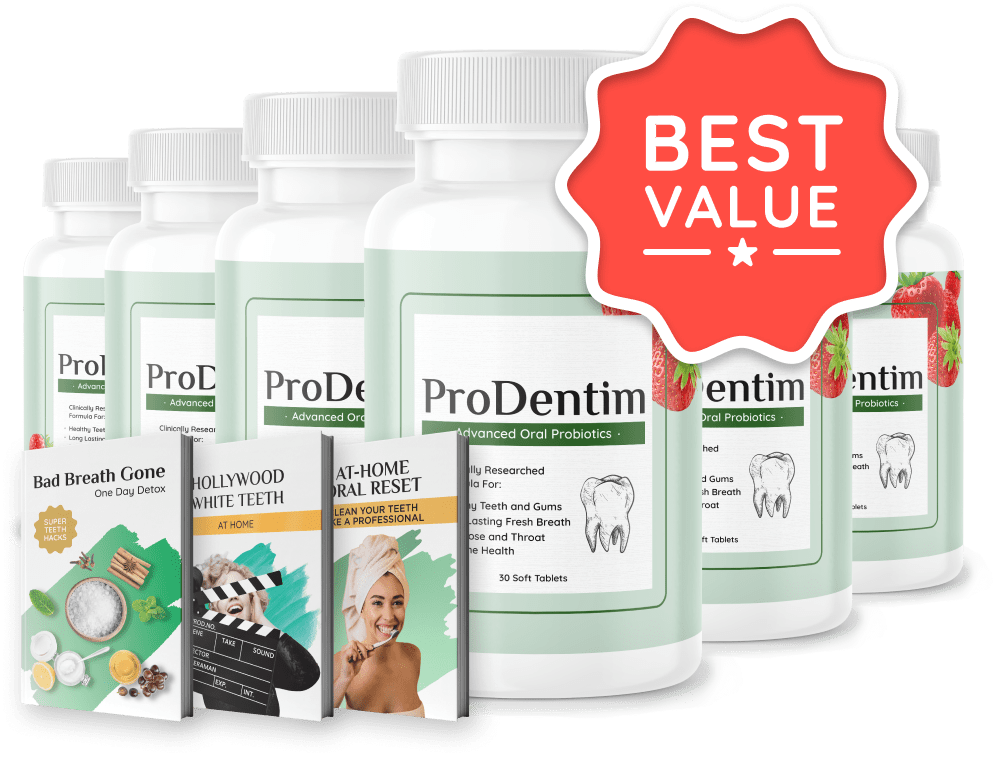
ProDentim is sold exclusively through its official website. As of 2026, the pricing structure is tiered: single bottles run approximately $69, with multi-bottle bundles reducing the per-unit cost. A 3-bottle bundle typically comes in around $177 ($59/bottle), and a 6-bottle bundle around $294 ($49/bottle). The company advertises a 60-day money-back guarantee.
Is the price justified? That depends on what you're comparing it to. Dental care in the US is expensive — according to the American Dental Association, the average American spends over $600 per year on dental services.
If ProDentim's gum health support reduces the frequency or severity of dental issues over time, the math could work in your favor. But that's a long-term calculation, not a guaranteed outcome.
One thing I'd push back on: the company's framing that this replaces conventional dental hygiene. It doesn't. It's a supplement to brushing, flossing, and regular dental visits — not a substitute.
If you're considering trying it, the 6-bottle bundle offers the best per-unit value and gives you enough supply to actually evaluate results over a meaningful timeframe. The 60-day guarantee provides a reasonable safety net for the first two months.
The Verdict: Is ProDentim Worth It in 2026?
Here's my honest assessment after digging into everything: ProDentim is a more scientifically coherent product than most oral health supplements on the market. The lozenge delivery format is logical, two of the three probiotic strains have relevant published research, and the supporting ingredients aren't just filler.
The product isn't perfect — the whitening and sleep claims are overreaches, the lack of a public COA is a transparency gap, and the price is premium.
But if your primary concerns are gum sensitivity, breath freshness, and oral microbiome support? The evidence suggests this product has a reasonable shot at helping. You're not buying snake oil. You're buying a supplement with a plausible mechanism and some — not overwhelming, but some — clinical backing.
Who should consider it: people dealing with recurring gum sensitivity, chronic bad breath that persists despite good hygiene, or those who've recently completed a course of antibiotics and want to support oral microbiome recovery.
Who should skip it: anyone primarily motivated by whitening results, anyone expecting dramatic changes in two weeks, or anyone unwilling to pay a premium price for an oral supplement.
The weight of current evidence leans toward ProDentim being a legitimate oral probiotic supplement — not a miracle product, but not a scam either. That's a more nuanced verdict than most review sites will give you, but it's the honest one. For a deeper look, see our legitimacy investigation.
Frequently Asked Questions
Ready to Try Prodentim?
All purchases come with free shipping and a full 60-day refund policy.
See Current Offer ➔