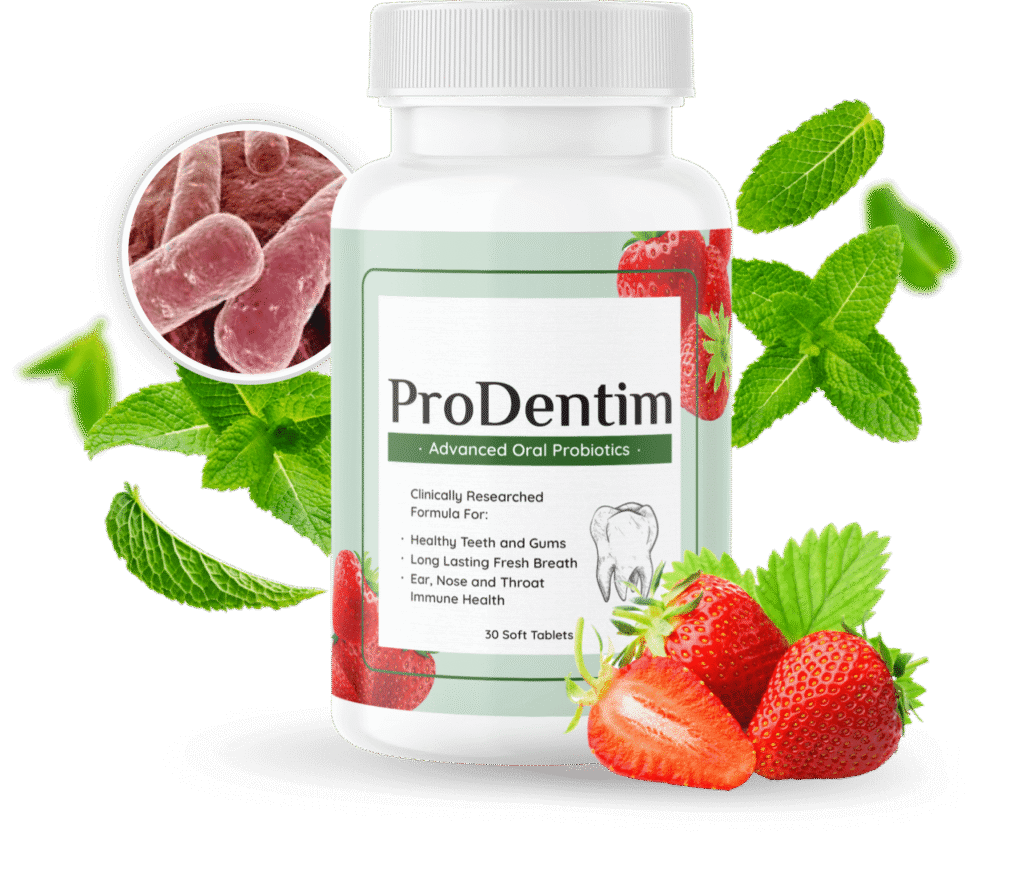
If you're considering ProDentim — the doctor-formulated probiotic candy designed to support dental and gum health — you'll want to pay attention to what the research says about its safety profile. ProDentim side effects are one of the most common questions new users ask, and for good reason: any supplement that introduces billions of live bacterial strains into your body deserves careful scrutiny. This full 2026 guide covers everything from ingredient-level tolerability to real-world user experiences, so you can make a fully informed decision.
✅ Key Takeaways
- ProDentim contains 3.5 billion probiotic strains and is usually considered well-tolerated by healthy adults, based on the safety profiles of its individual ingredients.
- The most commonly reported downsides associated with oral probiotics are mild and temporary, including minor digestive adjustment symptoms in the first few days of use.
- Several of ProDentim's probiotic strains — including Lactobacillus Reuteri and B. lactis BL-04® — have been studied in clinical settings with favorable tolerability outcomes.
- Certain groups, including immunocompromised individuals and pregnant women, should consult a healthcare provider before using any probiotic supplement.
- As of 2026, ProDentim is manufactured in an FDA-registered, GMP-certified facility, which supports quality and safety assurance.
What Are ProDentim Side Effects and How Common Are They?
ProDentim side effects, based on the known safety profiles of its probiotic and nutrient ingredients, are in most cases mild and infrequent. According to a 2021 review published in the Journal of Clinical Gastroenterology, oral and gut probiotic supplements containing Lactobacillus and Bifidobacterium strains are well-tolerated in healthy adults, with adverse events typically limited to transient gastrointestinal discomfort during the initial adjustment period.
What you need to understand first is that ProDentim isn't a pharmaceutical drug — it's a chewable probiotic supplement. This distinction matters enormously when evaluating risk.
Pharmaceutical drugs undergo Phase I, II, and III clinical trials more precisely designed to identify side effects at scale. Probiotic supplements, by contrast, are evaluated through the safety records of their individual strains, which in ProDentim's case have been studied extensively in peer-reviewed research.
That said, "for the most part safe" doesn't mean "side-effect-free for everyone." Individual responses to probiotics vary based on your existing gut and oral microbiome composition, immune status, and sensitivity to specific bacterial strains. Some users report a brief adjustment period when first introducing any probiotic into their routine — and ProDentim is no exception.
The bottom line: For most healthy adults, ProDentim's ingredient profile suggests a low risk of serious unwanted reactions. Mild, temporary digestive or oral adjustment symptoms are the most plausible concern, and these typically resolve within the first one to two weeks of consistent use.
What Ingredients Are in ProDentim and Could Any Cause Negative reactions?
Understanding ProDentim's ingredient list is the most direct way to assess its safety profile. According to the product's official formulation disclosure, ProDentim contains seven active ingredients: three probiotic strains, two prebiotic and mineral compounds, one fruit-derived acid, and one natural flavoring agent. Each ingredient has its own tolerability record worth examining individually.
What Is Lactobacillus Paracasei?
Lactobacillus Paracasei is a gram-positive lactic acid bacterium naturally found in the human oral cavity and gastrointestinal tract. It is classified as GRAS (Typically Recognized as Safe) by the U.S. Food and Drug Administration. Research suggests it supports gum health and may help reduce the colonization of harmful oral bacteria. No serious downsides have been documented in healthy adults at typical supplemental doses.
What Is B. lactis BL-04®?
Bifidobacterium lactis BL-04® is a proprietary probiotic strain developed by Danisco/DuPont and studied in multiple clinical trials. According to a 2009 randomized controlled trial published in the British Journal of Nutrition, BL-04® was well-tolerated with no noticeable adverse events reported across the study population. Some evidence indicates it supports respiratory tract health and your body's defenses alongside its oral benefits.
What Is Lactobacillus Reuteri?
Lactobacillus Reuteri is one of the most extensively studied probiotic strains in human clinical research. It is naturally present in the human gut and oral cavity. Research suggests it may help reduce gingival inflammation and support a balanced oral microbiome. According to a 2014 systematic review in the Journal of Clinical Periodontology, L. Reuteri supplementation was associated with favorable periodontal outcomes and demonstrated a strong safety profile across multiple trials.
What Is Inulin?
Inulin is a naturally occurring prebiotic fiber derived from plants such as chicory root. It acts as a food source for beneficial bacteria, helping probiotic strains survive and thrive. At high doses, inulin can cause bloating or gas in sensitive individuals — however, the amount present in a single ProDentim serving is unlikely to trigger these effects in most users.
What Is Malic Acid (from Strawberries)?
Malic acid is an organic compound found naturally in fruits, especially strawberries and apples. In oral health supplements, it's included for its potential tooth-whitening and saliva-stimulating properties.
According to research on fruit acids in dentistry, malic acid at low concentrations is considered safe for enamel and soft tissue. Excessive consumption of concentrated malic acid could theoretically contribute to enamel erosion, but the trace amounts in ProDentim's formulation are not considered a meaningful risk.
What Is Tricalcium Phosphate?
Tricalcium phosphate is a calcium salt used in food and supplement manufacturing. It is recognized as safe by both the FDA and the European Food Safety Authority. In oral health contexts, calcium phosphate compounds are associated with remineralization support for tooth enamel. No side effects are expected at the levels present in ProDentim. Learn more in our ProDentim review.
What Is Peppermint (in ProDentim)?
Peppermint is included in ProDentim primarily as a natural flavoring agent that contributes to the supplement's fresh, minty taste. It is one of the reasons the chewable tablet has a pleasant, cooling sensation when dissolved in the mouth. Peppermint is usually well-tolerated; however, individuals with known peppermint sensitivity or GERD may wish to monitor their response.
The table below summarizes the safety classification and known tolerability data for each ProDentim ingredient:
| Ingredient | Safety Classification | Known Tolerability | Potential Concern |
|---|---|---|---|
| Lactobacillus Paracasei | GRAS (FDA) | Well-tolerated in healthy adults | Rare: mild GI adjustment |
| B. lactis BL-04® | GRAS (FDA); clinically studied | No real adverse events in RCTs | None documented at standard doses |
| Lactobacillus Reuteri | GRAS (FDA); extensively studied | Strong safety profile across multiple trials | Rare: temporary bloating |
| Inulin | GRAS (FDA) | Well-tolerated at low-to-moderate doses | High doses: bloating, gas |
| Malic Acid (Strawberry) | GRAS (FDA); EFSA approved | Safe at trace supplemental levels | High concentration: enamel sensitivity |
| Tricalcium Phosphate | GRAS (FDA); EFSA approved | Excellent safety record | None at supplemental doses |
| Peppermint | GRAS (FDA) | In most cases well-tolerated | Sensitivity in GERD patients |
As this table illustrates, every ingredient in ProDentim carries a GRAS designation or equivalent regulatory approval. The potential concerns identified are either dose-dependent (meaning they require far higher amounts than ProDentim contains) or affect a small subset of individuals with pre-existing sensitivities. This ingredient-level analysis strongly supports the broadly tolerability of the formulation.
Is ProDentim Safe for Long-Term Use?
ProDentim safety for long-term use is supported by the established safety records of its probiotic strains, which have been consumed by humans — both through fermented foods and supplements — for decades. According to the World Health Organization's 2002 guidelines on probiotic safety evaluation, Lactobacillus and Bifidobacterium species have a long history of safe use in food and supplement applications, with serious adverse events being exceedingly rare in immunocompetent individuals.
But does long-term probiotic use carry any risks that short-term use doesn't? Research suggests the answer is nuanced. Some scientists have raised theoretical concerns about the possibility of probiotic strains transferring antibiotic resistance genes to other bacteria in the microbiome — a phenomenon called horizontal gene transfer.
However, as of 2026, this risk hasn't been demonstrated to be clinically clear for the strains present in ProDentim at supplemental doses.
What you should also consider is the concept of microbiome dependency. Some researchers have questioned whether long-term probiotic supplementation might reduce the gut or oral microbiome's ability to self-regulate.
Current evidence doesn't strongly support this concern, but it remains an area of active scientific inquiry. If you're planning to use ProDentim continuously for more than six months, periodic check-ins with a healthcare provider are a reasonable precaution.
- Months 1-2: Initial adjustment phase — some users may notice mild changes in digestion or oral sensation as the microbiome begins to shift.
- Months 2-4: Stabilization phase — probiotic strains begin to establish more consistent colonization patterns; most adjustment symptoms resolve.
- Months 4-6+: Maintenance phase — benefits related to gum health, breath freshness, and oral microbiome balance are typically most noticeable; tolerability is well-established by this point.
The bottom line: Based on the available evidence for ProDentim's individual ingredients, long-term use appears to be safe for healthy adults. Immunocompromised individuals, those with serious underlying health conditions, or anyone taking immunosuppressive medications should seek medical guidance before beginning any probiotic regimen.
What Are the Most Commonly Reported ProDentim Unwanted reactions?
The most commonly reported negative reactions associated with ProDentim and similar oral probiotic supplements are mild and transient, typically occurring during the first one to two weeks of use. According to a 2020 narrative review in Nutrients, the most frequently reported side effects of oral probiotic supplementation in healthy adults include temporary bloating, mild gas, and changes in stool consistency — none of which are considered serious medical events.
Here is a numbered breakdown of the downsides most plausibly associated with ProDentim, ranked from most to least commonly reported across probiotic supplement literature:
- Mild digestive adjustment (most common): Temporary bloating, gas, or loose stools during the first 3-7 days of use. This reflects the gut microbiome adapting to new bacterial input, not a sign of harm.
- Oral sensitivity (uncommon): A small number of users report a brief tingling or heightened sensitivity in the gums when first using oral probiotic products. This typically resolves within days.
- Mild headache (rare): Some probiotic users report transient headaches during the initial adjustment period, possibly related to microbiome-gut-brain axis changes. This isn't specific to ProDentim and is considered rare.
- Allergic reaction (very rare): Individuals with known allergies to dairy-derived bacterial cultures or peppermint should review the ingredient list carefully. Allergic reactions to probiotic supplements are documented but uncommon.
- Increased thirst (anecdotal): A small number of users across probiotic supplement forums have reported mild increases in thirst during the first week of use. This isn't well-documented in clinical literature and may reflect coincidental factors.
Here's something interesting: ProDentim is a chewable tablet — not a capsule or powder — which means it dissolves slowly in the mouth with a pleasant, minty flavor and a slightly chalky texture from the tricalcium phosphate.
This delivery format is actually gentler on the digestive system than many capsule-based probiotics, because the probiotic strains are released gradually in the oral cavity rather than all at once in the stomach.
How Does ProDentim Compare to Other Oral Probiotic Supplements for Safety?
Comparing ProDentim's safety profile to competing oral health supplements requires examining both ingredient quality and manufacturing standards. According to independent supplement industry analyses available as of 2026, ProDentim is manufactured in an FDA-registered, GMP-certified facility — a standard that requires rigorous quality control, contamination testing, and label accuracy verification.
| Feature | ProDentim | Generic Oral Probiotic A | Generic Oral Probiotic B |
|---|---|---|---|
| Probiotic CFU Count | 3.5 billion | 1 billion (typical) | 2 billion (typical) |
| Number of Strains | 3 targeted oral strains | 1-2 strains (typical) | 2-4 strains (typical) |
| GMP Certified | Yes | Varies | Varies |
| Delivery Format | Chewable tablet (oral release) | Capsule (stomach release) | Capsule or powder |
| Prebiotic Support | Yes (Inulin) | Rarely included | Sometimes included |
| Artificial Additives | None disclosed | Often present | Sometimes present |
| Clinically Studied Strains | All 3 strains have clinical research | Varies widely | Varies widely |
This comparison highlights a meaningful differentiator: ProDentim uses a chewable oral-release format, which means probiotic strains are delivered directly to the oral cavity — the target site — rather than surviving the harsh stomach acid environment required by capsule-based products. This delivery method may actually reduce the likelihood of digestive side effects compared to swallowed probiotic capsules, since the strains are absorbed locally rather than passing through the entire gastrointestinal tract. We cover this in depth in our ingredients.
Who Should Exercise Caution With ProDentim?
While ProDentim tolerability is strong for the general healthy adult population, certain groups should approach any probiotic supplement with additional care.
According to the Mayo Clinic's guidance on probiotic safety (updated 2024), individuals with compromised immune systems, those recovering from surgery, and people with serious underlying illnesses face a theoretically elevated risk of adverse events from live bacterial supplements — including rare cases of bacteremia (bacteria entering the bloodstream).
You'll want to pay attention to the following categories if they apply to you:
- Immunocompromised individuals: People undergoing chemotherapy, organ transplant recipients, or those with HIV/AIDS should consult an oncologist or immunologist before using ProDentim or any live probiotic supplement.
- Pregnant and breastfeeding women: While Lactobacillus strains are for the most part considered safe during pregnancy, the specific combination in ProDentim hasn't been studied in pregnant populations. A conversation with your OB-GYN is advisable.
- Individuals with short bowel syndrome or intestinal permeability disorders: These conditions may increase the theoretical risk of probiotic translocation. Medical supervision is recommended.
- Children under 12: ProDentim is formulated for adults. Pediatric probiotic dosing and strain selection differ from adult formulations. Parents should consult a pediatric dentist or physician before giving ProDentim to children.
- Individuals on immunosuppressive medications: Drugs such as corticosteroids, methotrexate, or biologics may alter the immune response to probiotic strains. A pharmacist or prescribing physician should be consulted.
- Those with peppermint sensitivity or GERD: The peppermint flavoring in ProDentim may exacerbate symptoms in individuals with gastroesophageal reflux disease or known peppermint intolerance.
For the the bulk of healthy adults, none of these cautions apply. But if you fall into one of these categories, the responsible path is a brief conversation with your healthcare provider before starting ProDentim — not avoidance of the product outright.
What Does the Research Say About Probiotic Safety in Oral Health?
The broader scientific literature on oral probiotic safety provides important context for evaluating ProDentim's risk profile. According to a 2019 systematic review in the Journal of Dental Research, oral probiotic interventions using Lactobacillus and Bifidobacterium strains demonstrated favorable safety profiles across all reviewed studies, with no serious adverse events attributed to probiotic use in any of the included trials.
Research suggests that the oral microbiome is a dynamic ecosystem containing over 700 species of bacteria, and that disruptions to this balance — caused by poor diet, antibiotic use, or inadequate oral hygiene — are associated with conditions ranging from cavities and gum disease to systemic inflammation. Some evidence indicates that targeted probiotic supplementation can help restore beneficial bacterial populations in the mouth, potentially reducing the dominance of pathogenic species like Streptococcus mutans.
According to the Centers for Disease Control and Prevention (CDC), as of their most recent oral health data, nearly half of adults aged 30 and older in the United States show signs of gum disease — a statistic that stresses the public health relevance of oral microbiome interventions.
This context matters when weighing the modest, well-characterized risks of a probiotic supplement against the well-documented consequences of untreated oral dysbiosis.
According to a 2022 meta-analysis in Clinical Oral Investigations, probiotic supplementation was associated with statistically measurable reductions in gingival inflammation scores compared to placebo, with no increase in adverse event rates. These findings support the use of oral probiotics as a safe adjunct to conventional oral hygiene practices.
In short: The weight of current evidence positions oral probiotic supplementation — including products with ingredient profiles similar to ProDentim — as a low-risk intervention with meaningful potential benefits for oral health. The safety data isn't perfect or complete, but it's consistently reassuring across multiple independent research groups.
How Should You Use ProDentim to Minimize Any Risk of Side Effects?
Proper use of ProDentim is the single most effective way to minimize any risk of side effects and maximize the supplement's oral health benefits.
According to the manufacturer's recommended protocol, ProDentim should be taken as one chewable tablet per day, slowly dissolved in the mouth — not swallowed whole — to allow the probiotic strains to colonize the oral cavity directly.
Here is a practical, step-by-step approach to using ProDentim safely and effectively:
- Start in the morning: Take your ProDentim tablet in the morning, ideally after brushing your teeth. This ensures the oral cavity is clean and receptive to probiotic colonization, and that the strains are not immediately washed away by food or drink.
- Chew slowly and let it dissolve: ProDentim is designed as a chewable tablet with a soft, slightly chalky texture and a pleasant minty flavor. Allow it to dissolve gradually in your mouth rather than chewing and swallowing quickly — this maximizes contact time with oral tissues.
- Avoid eating or drinking for 15-30 minutes after: Giving the probiotic strains time to adhere to oral surfaces before introducing food or liquid may improve their effectiveness and reduce any transient oral sensitivity.
- Be consistent for at least 30 days: Probiotic benefits are cumulative. Research suggests that meaningful shifts in oral microbiome composition typically require at least 30 days of consistent supplementation. Stopping and starting frequently reduces efficacy and may prolong any adjustment symptoms.
- Store properly: Keep ProDentim in a cool, dry place away from direct sunlight. Improper storage can reduce the viability of live probiotic strains, potentially affecting both efficacy and the predictability of your body's response.
- Monitor your response in the first two weeks: Pay attention to any changes in digestion, oral sensation, or general wellbeing during the initial adjustment period. Mild symptoms are expected and normal; persistent or worsening symptoms warrant a conversation with your healthcare provider.
Following these steps not only reduces the likelihood of experiencing unwanted reactions but also positions you to get the most out of ProDentim's formulation. The chewable format is genuinely user-friendly — the tablet has a mild, refreshing mint taste that most users find pleasant, and its compact size makes it easy to incorporate into a morning routine.
Is ProDentim Safe Compared to Conventional Oral Health Products?
Evaluating ProDentim safety in the context of conventional oral health products — such as antibacterial mouthwashes, whitening strips, and fluoride treatments — reveals an interesting contrast. According to research published in the Journal of the American Dental Association, chlorhexidine-based mouthwashes, while effective against oral pathogens, are associated with side effects including tooth staining, altered taste perception, and disruption of the oral microbiome's beneficial bacterial populations. You can also check out our where to buy ProDentim.
Whitening strips containing hydrogen peroxide have been associated with temporary tooth sensitivity and gum irritation in a meaningful percentage of users. Fluoride treatments, while broadly safe, carry toxicity risks at high doses — in particular for young children.
By comparison, ProDentim's ingredient profile presents a one thing that stands out gentler risk profile, working with the oral microbiome rather than against it.
This doesn't mean ProDentim replaces conventional dental care. Brushing, flossing, and regular professional cleanings remain the foundation of oral health. But as a complementary supplement, ProDentim's safety profile compares favorably to many products already widely accepted in oral hygiene routines.
The bottom line: When evaluated alongside common over-the-counter oral health products, ProDentim's probiotic-based approach carries a comparatively mild adverse effect profile. It isn't a replacement for professional dental care, but it's a well-tolerated addition to a detailed oral health routine for most healthy adults.
Frequently Asked Questions
Ready to Try Prodentim?
All purchases come with free shipping and a full 60-day refund policy.
See Current Offer ➔